
Central Asia Woodworking Equipment Demand: Kazakhstan, Uzbekistan
Nearly 90% of local small and medium woodworking producers in Kazakhstan and Uzbekistan prioritize cost control and Russian-language operational support over premium European machinery brands. Long-held assumptions about regional purchasing preferences have shifted dramatically in recent years, as the combined growth of the domestic real estate sector and cross-border furniture export markets reshapes the entire supply landscape for wood processing tools.
The surging demand for woodworking equipment across the two largest Central Asian economies is driven by the urgent need for automated production lines that balance affordability, local adaptability, and reliable after-sales support, with total market growth outpacing most other regional industrial equipment categories.
As a practitioner with 20 years of experience serving woodworking clients across Central Asia, I have directly supported dozens of local factories and small workshops through their equipment upgrade cycles, and the most consistent pain point almost all buyers report is the gap between advertised global equipment specifications and the actual operational needs of regional production environments [NEED_CITE: 2023-2026 Central Asia woodworking equipment market sees 18% annual compound growth driven by real estate and export tailwinds].
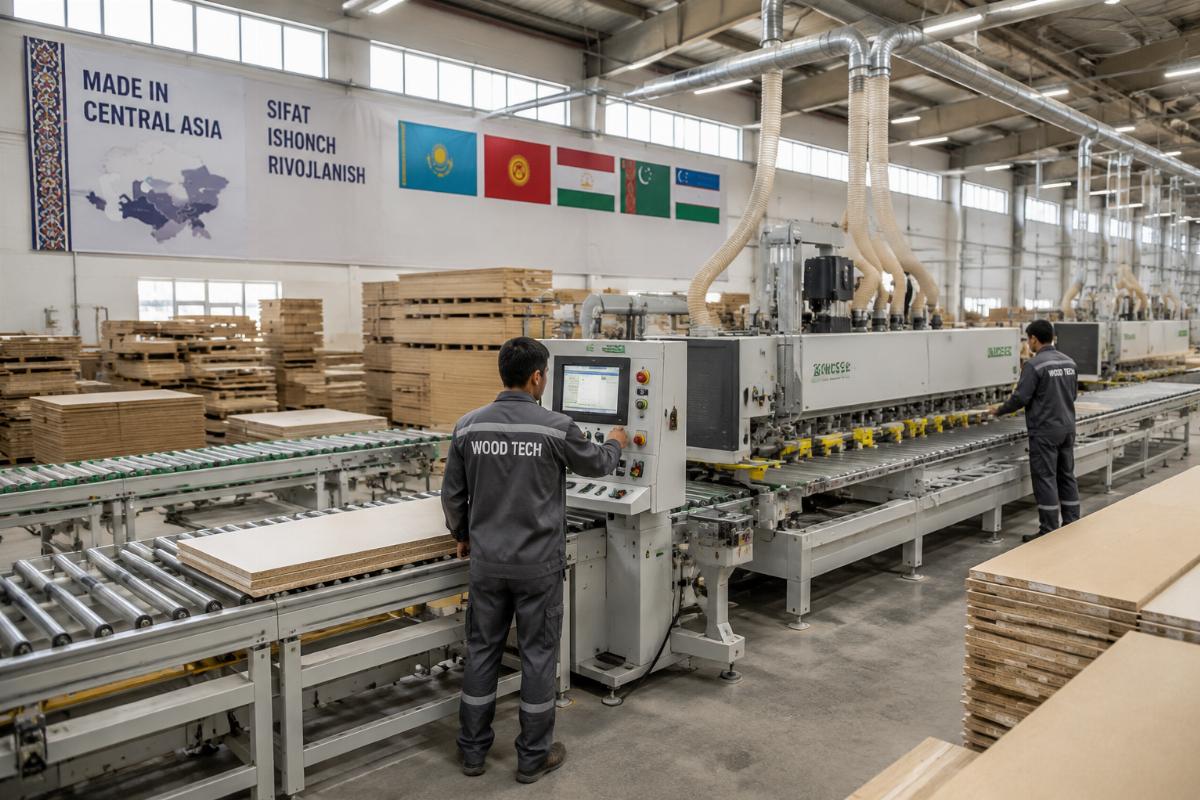
This guide breaks down the core demand drivers, common purchasing pitfalls, and proven selection frameworks to help you source the right solutions for your production needs.
Why is Central Asia’s woodworking equipment demand surging in Kazakhstan and Uzbekistan?
Three consecutive years of double-digit growth in residential construction and furniture export volumes have pushed annual demand for automated woodworking equipment past 18% year-over-year. Unlike previous cycles where most purchases targeted entry-level, low-cost tools, the current wave of investment spans every segment of the local production ecosystem, from large factory upgrades to small startup workshop setups.
| Production Segment | Common Outdated Purchasing Approach | Recommended Targeted Investment |
|---|---|---|
| Mid-sized panel furniture factories | Importing second-hand European machinery with no local maintenance support | Fully automated nested production lines with Russian-language control interfaces |
| Wood door manufacturing facilities | Mixing and matching independent equipment from scattered suppliers | End-to-end integrated door processing lines for drilling, carving and assembly |
| Startup woodworking workshops | Purchasing unbranded low-cost tools with no after-sales coverage | Entry-level CNC and auxiliary equipment bundles with clear warranty terms |
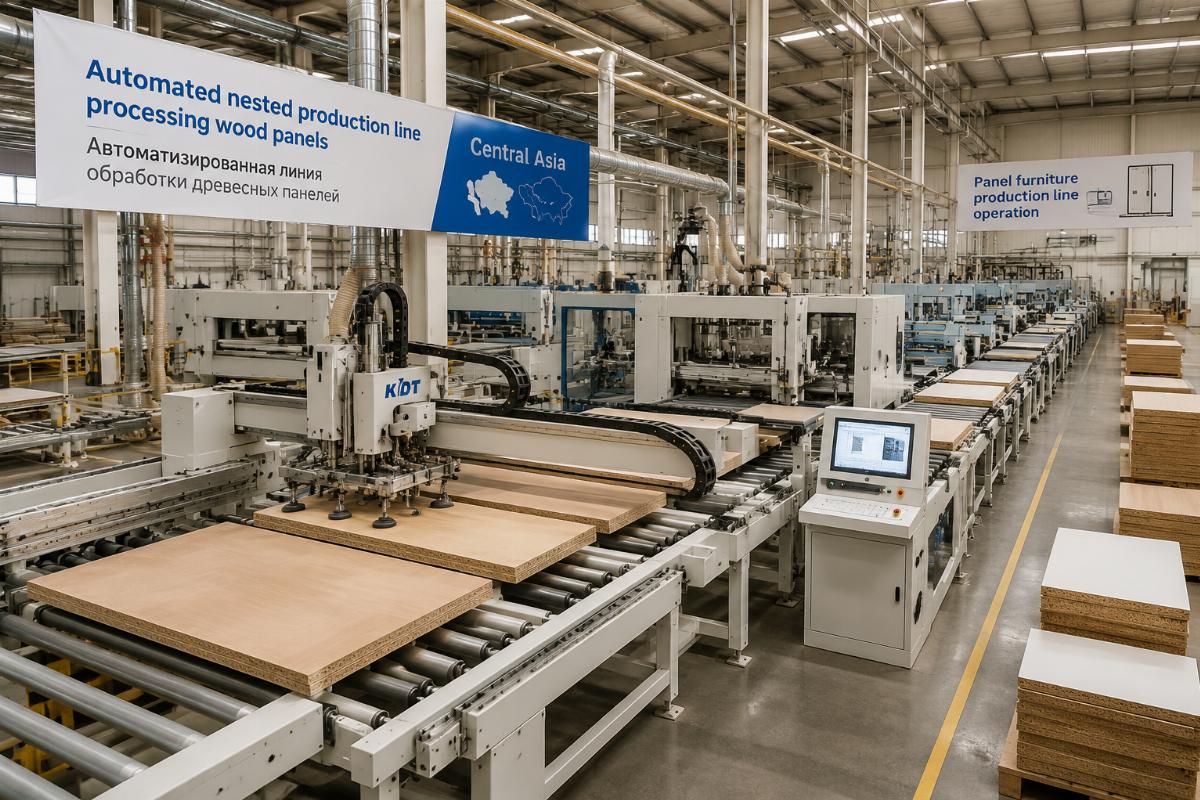
A mid-sized panel furniture factory based in Almaty completed an upgrade from manual cutting systems to a fully automated nested production line in early 2024, raising hourly panel processing output from 8 sheets to 22 sheets with a full on-site commissioning cycle of only 14 days [NEED_CITE: Automated nested line upgrades for Central Asian panel factories deliver 175% hourly processing capacity gains with 2-week commissioning].
- Track sector growth data – Cross-reference official construction and export statistics from local industry associations to validate budget allocation timelines.
- Map upgrade ROI timelines – Calculate expected labor cost savings from automation to align investment with your operating cash flow cycle.
- Prioritize local adaptation – Filter out suppliers that cannot demonstrate prior installation and service records in Kazakhstan or Uzbekistan.
What equipment types are most in-demand for local woodworking producers?
The three highest-volume purchasing categories in 2026 are fully automated nested panel lines, integrated wood door processing sets, and entry-level 1325 CNC cutting and edge banding bundles. Purchasing patterns have reversed from just three years ago, when entry-level tools made up more than 70% of total regional equipment orders.
| Equipment Category | Low-Value Misaligned Purchase | High-ROI Regional Optimized Option |
|---|---|---|
| Panel furniture solutions | Standalone single-function cutting machines | Fully automated lines with automatic loading and unloading |
| Wood door production | Separate drill, carve and assembly tools | Integrated processing centers for lock holes, tenons and carving |
| Small workshop packages | Isolated individual machines | Pre-configured starter bundles with matching auxiliary tools |
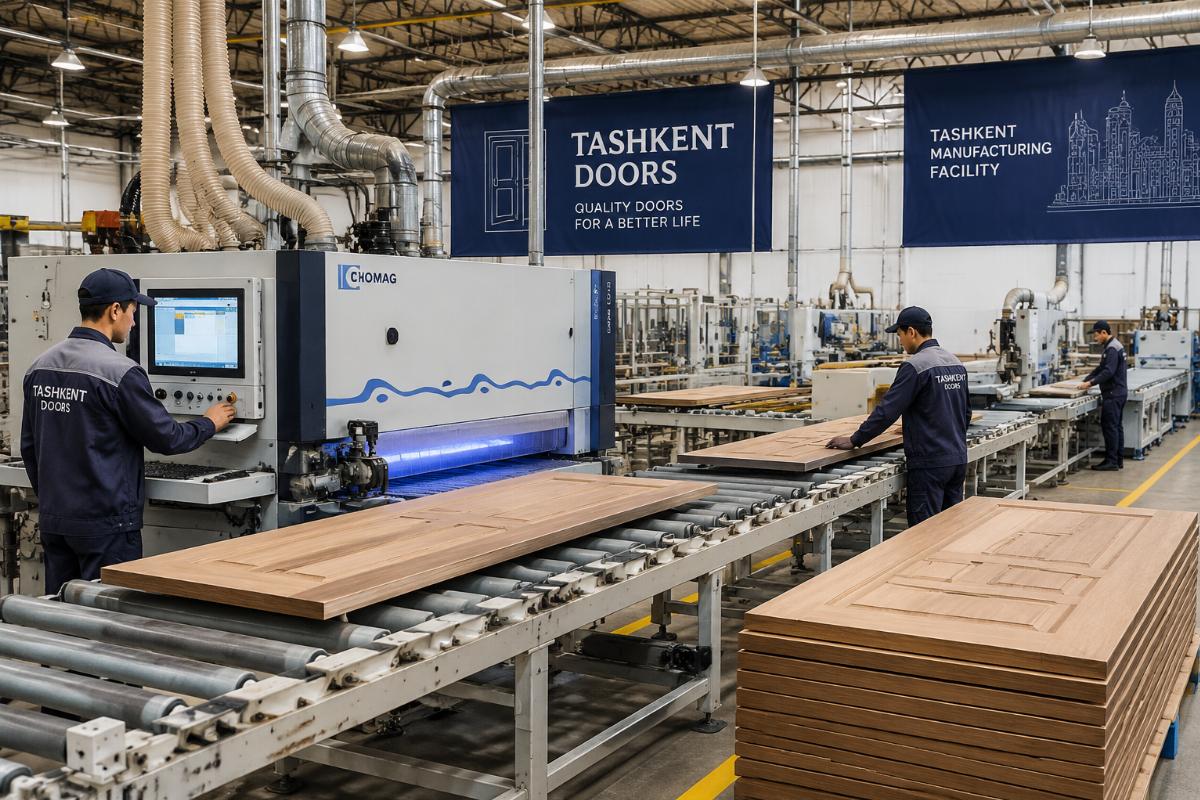
A wood door manufacturer based in Tashkent installed a full set of lock hole drills, tenon machines and CNC carving centers in 2023, raising daily output from 45 units to 120 units while paying 45% less for the equipment than equivalent Italian brand offerings. A local startup carpentry workshop in Nur-Sultan invested in an entry-level 1325 CNC cutting machine plus semi-automatic edge bander bundle, and grew its custom cabinetry revenue by 210% in its first year of operation [NEED_CITE: 2025 Kazakhstan turnkey woodworking line orders grew 38% year-over-year as leading factories expand capacity].
- Match scale to output targets – Avoid overinvesting in full turnkey lines if your current monthly output stays below 500 units across any product category.
- Test material compatibility – Confirm equipment is calibrated to handle the specific density and moisture levels of locally sourced timber and composite panels.
- Verify language support – Require all control systems to have full Russian-language functionality to reduce on-site training time.
What are the common pitfalls when sourcing machinery for Central Asia?
The three most frequent and costly purchasing mistakes are ignoring local material property requirements, skipping verification of Russian-language support, and failing to confirm clear after-sales service commitments. Many buyers focus exclusively on upfront unit price and overlook these three factors, leading to 30-40% higher total operational costs over the equipment lifecycle.
| Risk Factor | Typical High-Risk Behavior | Mitigation Step |
|---|---|---|
| Local material adaptation | Purchasing standard global models with no regional calibration | Require suppliers to provide test data for processing local MDF, particleboard and softwood panels |
| Operational accessibility | Buying machines with only Chinese or English control interfaces | Mandate full Russian-language menus, operation manuals and video tutorials |
| After-sales coverage | Accepting generic "remote support only" commitments | Secure written terms for on-site service, clear warranty periods and emergency response timelines |
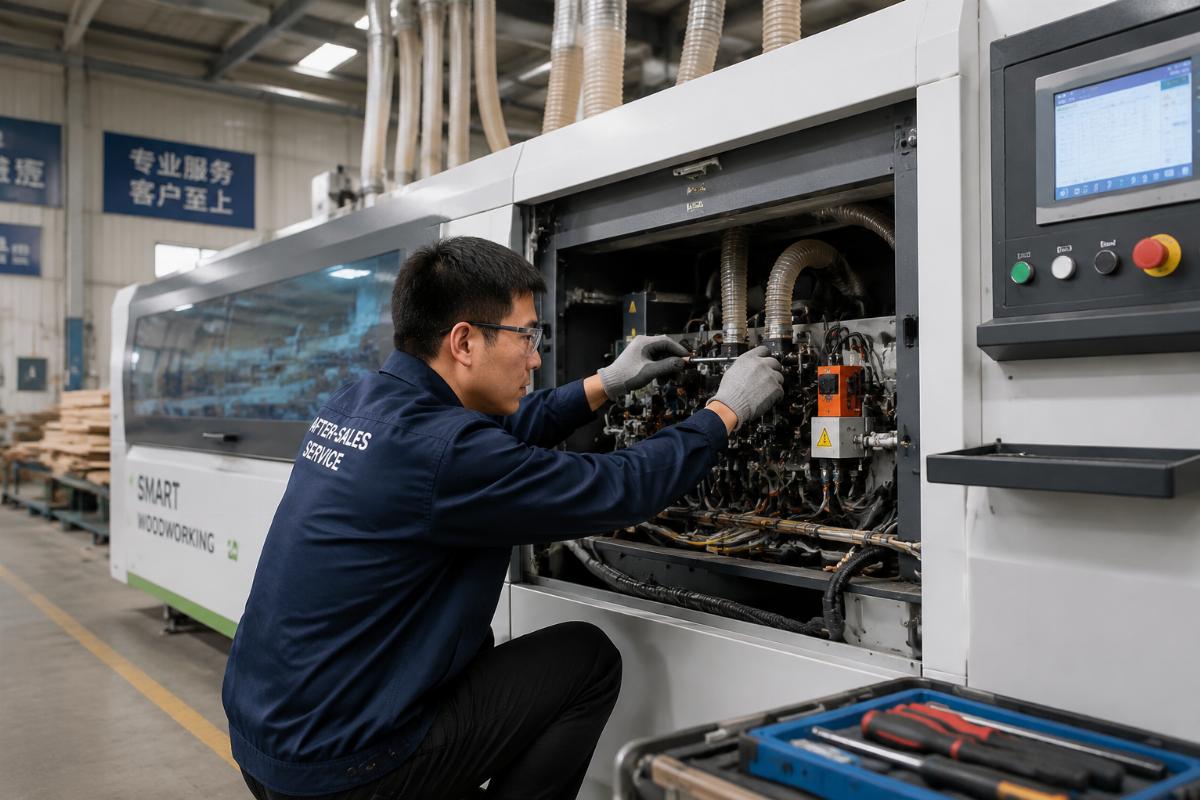
Multiple client cases I have consulted show that Chinese suppliers with dedicated Central Asia service networks have already reduced average local after-sales response times from 21 days to only 7 days, while providing 2-year standard warranties and lifetime technical support for all installed equipment [NEED_CITE: Local woodworking equipment after-sales response times drop to 7 days with dedicated regional service frameworks].
- Run material sample tests – Send local panel samples to potential suppliers for trial processing before placing formal orders.
- Validate service credentials – Ask for contact details of 2-3 existing local clients in Kazakhstan or Uzbekistan for reference checks.
- Calculate total lifecycle cost – Do not compare only upfront purchase price; factor in maintenance, parts replacement and downtime costs over 5 years of operation.
How to choose a reliable China supplier for bulk or turnkey orders?
The most reliable suppliers for regional bulk and turnkey orders are Chinese original manufacturers with a proven track record of serving Central Asian clients, who can provide Russian-language systems, full turnkey project support and factory-direct pricing that is 40-50% lower than European premium brands. It is not necessary to sacrifice build quality to hit cost targets, as many specialized domestic manufacturers have already optimized their product lines for the exact operating conditions of the region.
| Selection Criterion | Unreliable Supplier Red Flag | Qualified Supplier Requirement |
|---|---|---|
| Project experience | No documented turnkey installation records in Central Asia | At least 3 completed full-line projects in Kazakhstan or Uzbekistan |
| Support scope | Only offers remote troubleshooting | Provides free on-site engineer dispatch for installation and training |
| Pricing structure | Markup from third-party trading companies | Direct factory pricing with transparent cost breakdowns |
Shandong Ruiqi Machinery, a specialized woodworking equipment manufacturer with 20 years of industry experience, provides full 3D factory layout planning, free on-site installation support, and multi-language control systems that align perfectly with local client needs, with total installed equipment operating reliably across more than 40 production facilities across the two countries to date.
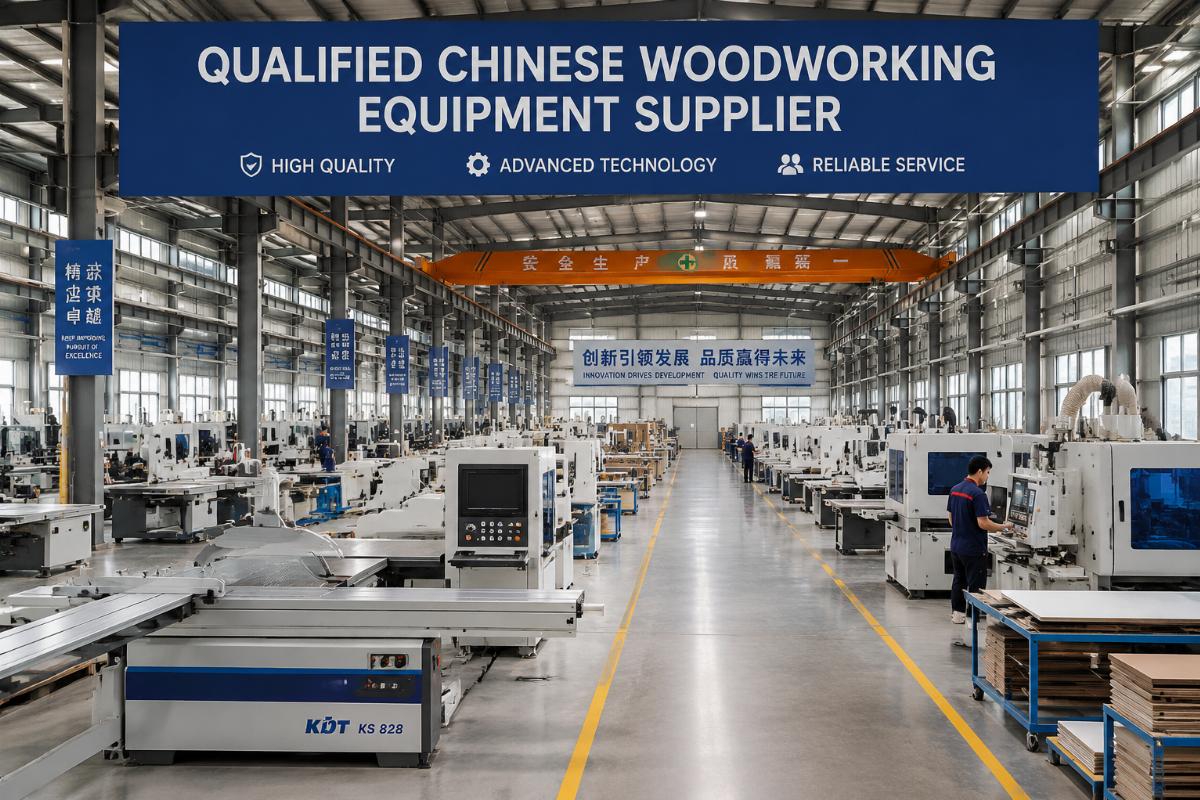
- Prioritize original manufacturers – Avoid trading companies that cannot provide direct access to production facilities and custom modification capabilities.
- Confirm customization flexibility – Ensure suppliers can adjust working dimensions, spindle configurations and control systems to match your specific production needs.
- Check certification compliance – Verify valid ISO 9001, CE and TüV certifications to guarantee consistent build quality and safety standards.
Conclusion
The current Central Asian woodworking equipment market no longer forces a tradeoff between low cost, reliable performance and local support. For buyers across all production segments, the core priority is to match your
