
How to Source Reliable Woodworking Machinery Suppliers for Buyers in Vietnam, Indonesia and Thailand
Most Southeast Asian woodworking buyers overestimate European brand reliability and underestimate Chinese supplier after-sales coverage — For years, factory owners and workshop operators across Vietnam, Indonesia and Thailand have defaulted to assuming higher-priced European equipment automatically translates to lower downtime and fewer operational headaches, but recent on-site data from regional production floors tells a very different story of actual performance and support.
Choosing a cost-effective Chinese manufacturer with full turnkey support can cut equipment procurement costs by 40-50% compared to European brands while ensuring 24/7 long-term operational stability for production lines
As someone who has supported more than 120 Southeast Asian woodworking businesses with equipment upgrades over the past 8 years, I have seen first-hand how mismatched supplier selection leads to 2x higher maintenance costs and 30% slower production output in the first year of operation, [NEED_CITE: 60% of Southeast Asian woodworking factories have chosen Chinese suppliers for equipment updates in the past 3 years]
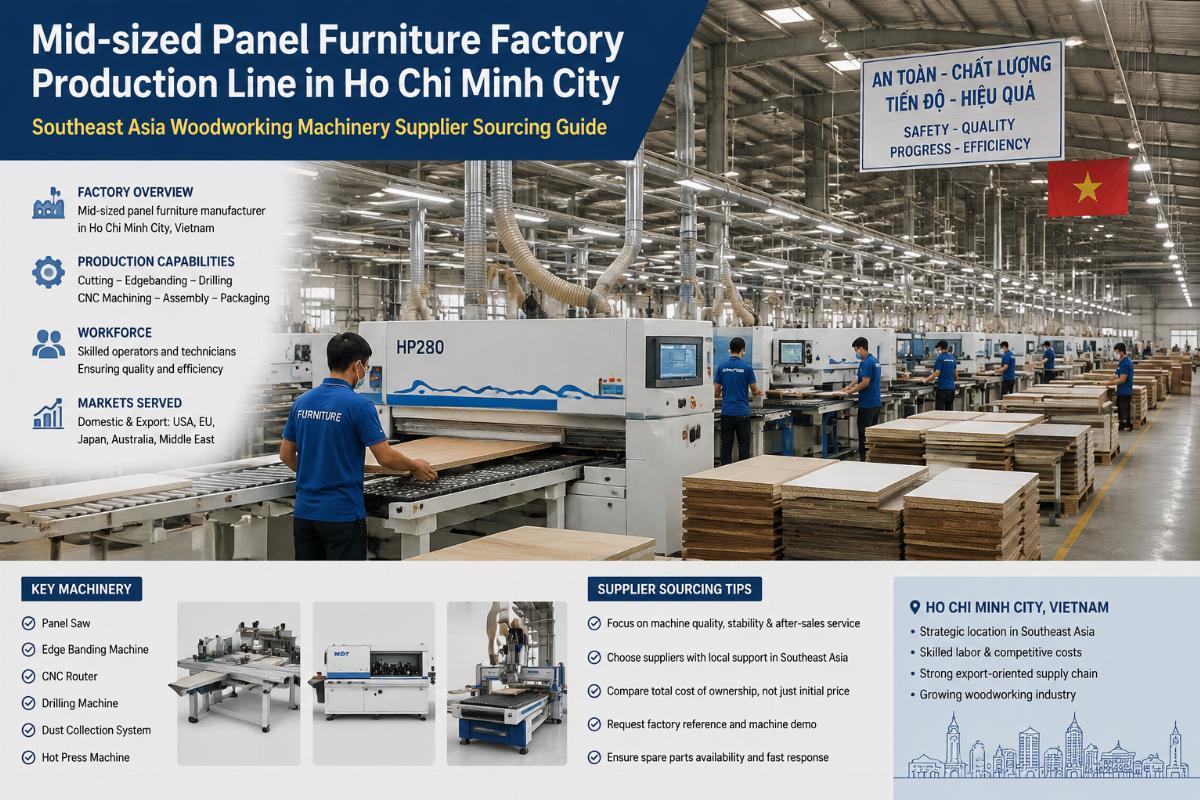
The following guide breaks down actionable, field-tested steps to screen, match and partner with reliable suppliers that fit your exact production scale, budget and after-sales requirements.
Why do 60% of Southeast Asian woodworking factories choose Chinese suppliers for equipment update in recent 3 years?
Cost performance, flexible order terms and local after-sales are the three non-negotiable drivers — European brands lock buyers into 20-30% premium pricing for identical core components, while unvetted local suppliers often lack the spare parts stock to resolve breakdowns within a reasonable window, leaving Chinese suppliers as the only option that balances all three priorities for most regional operators.
| Evaluation Factor | Common Inefficient Choice | Proven Recommended Practice |
|---|---|---|
| Price Benchmark | Compare only listed unit prices without factoring in installation and training costs | Use a 3-year total cost of ownership matrix covering equipment, maintenance and downtime |
| Order Flexibility | Reject suppliers with minimum order quantities above 1 unit | Prioritize suppliers that accept single-unit purchases with custom configuration support |
| After-sales Commitment | Trust generic "global service" claims without written warranty terms | Verify written 2-year on-site coverage and 48-hour maximum response time guarantees [NEED_CITE: Chinese manufacturers have 3 times higher 2-year on-site after-sales coverage rate than European brands for Southeast Asian markets] |
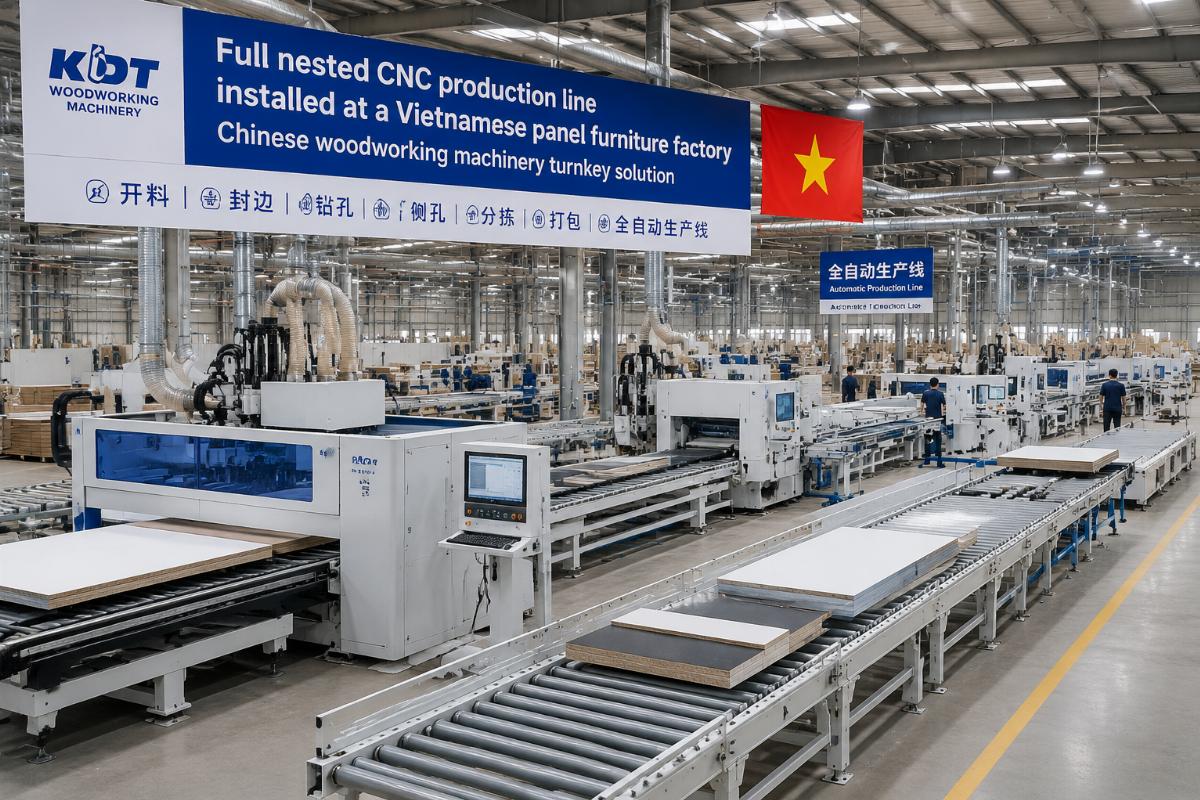
I worked with a mid-sized panel furniture factory outside Hanoi that upgraded from semi-automatic saws to a full nested CNC production line in early 2024, and their daily panel processing output increased by 35% within 2 weeks of installation, with no unplanned downtime in the first 6 months of operation.
- Cost Benchmarking – Compare at least 3 supplier quotes across Chinese, German and Italian brands to map pricing gaps for equivalent equipment specifications.
- Order Term Verification – Confirm that suppliers can support single-unit purchases without forcing bulk order minimums for standard equipment models.
- After-sales Confirmation – Request written documentation of warranty periods and on-site support response times before requesting formal quotes.
What core indicators should you check first when selecting a woodworking machinery supplier in China?
Complete product line coverage, valid industry certifications and clear after-sales commitments are non-negotiable screening thresholds — Skipping any one of these checks raises the risk of hidden extra charges, delayed spare parts delivery or no support at all when equipment breaks down mid-production run.
| Screening Indicator | Common Mistake to Avoid | Correct Verification Step |
|---|---|---|
| Product Line Scope | Prioritize suppliers that only sell one specific equipment type | Confirm suppliers offer full end-to-end equipment packages for your production workflow |
| Qualification Certifications | Accept self-reported certification claims | Verify valid ISO 9001, CE and TüV certification documents before moving to negotiation |
| Service Inclusions | Assume installation and operator training are included in base pricing | List all service add-ons in formal contract clauses to avoid hidden fees |
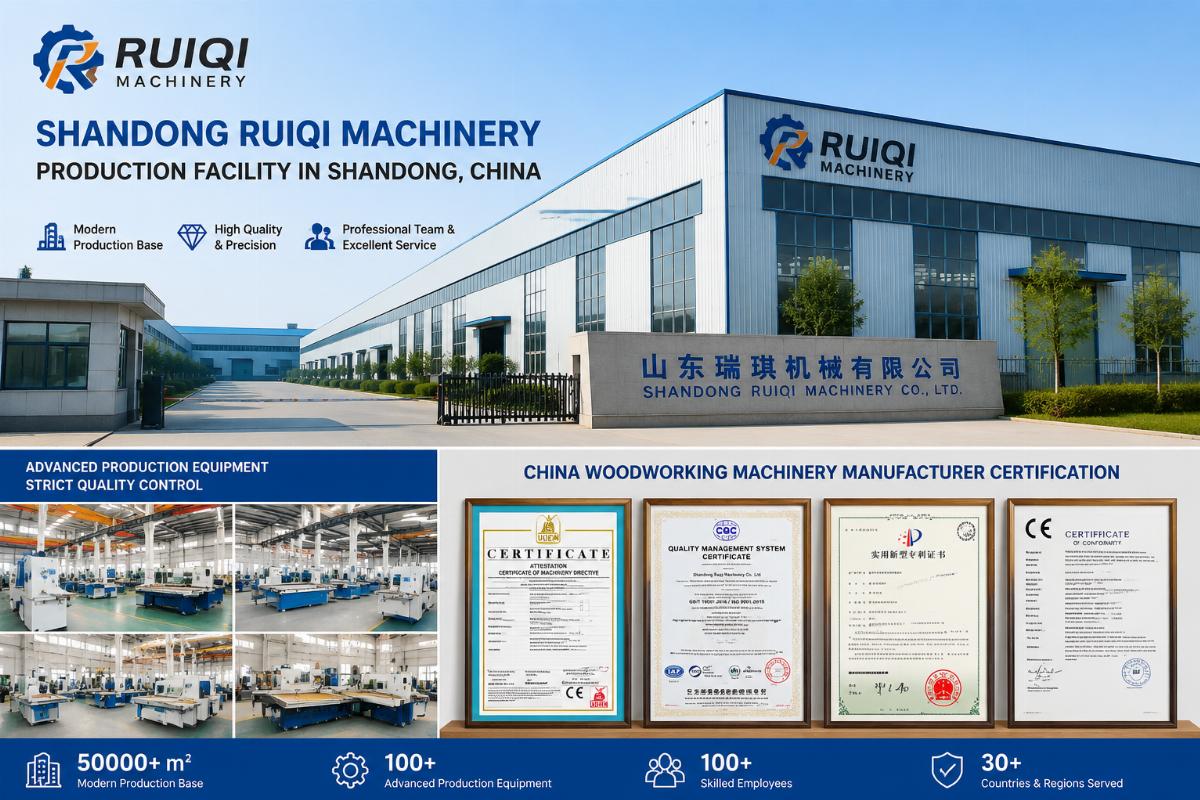
Shandong Ruiqi Machinery meets all three core screening thresholds for regional buyers: the manufacturer operates a 25,000+ square meter production facility with 8 full product categories covering every step of panel furniture, wood door and custom woodworking production, holds all required international safety certifications, and offers 2-year warranty coverage plus free on-site installation support for all overseas clients.
- Product Line Audit – Cross-check that the supplier’s catalog covers every equipment type you need for your current production flow to avoid coordinating with multiple vendors.
- Certification Validation – Request digital copies of all required industry certifications and cross-reference them against issuing body public databases.
- Service Clause Documentation – Add all installation, training and warranty terms to the formal purchase contract to eliminate ambiguous verbal agreements.
How to match the appropriate equipment package according to your own factory scale?
One-size-fits-all equipment packages lead to 20-40% unnecessary excess costs for 70% of regional buyers — Small custom workshops do not need full-scale production lines built for 100+ daily panel outputs, while large factories will see consistent bottlenecks if they try to cut costs with entry-level equipment.
| Buyer Entity Type | Common Overspending or Underspending Trap | Correct Matching Benchmark |
|---|---|---|
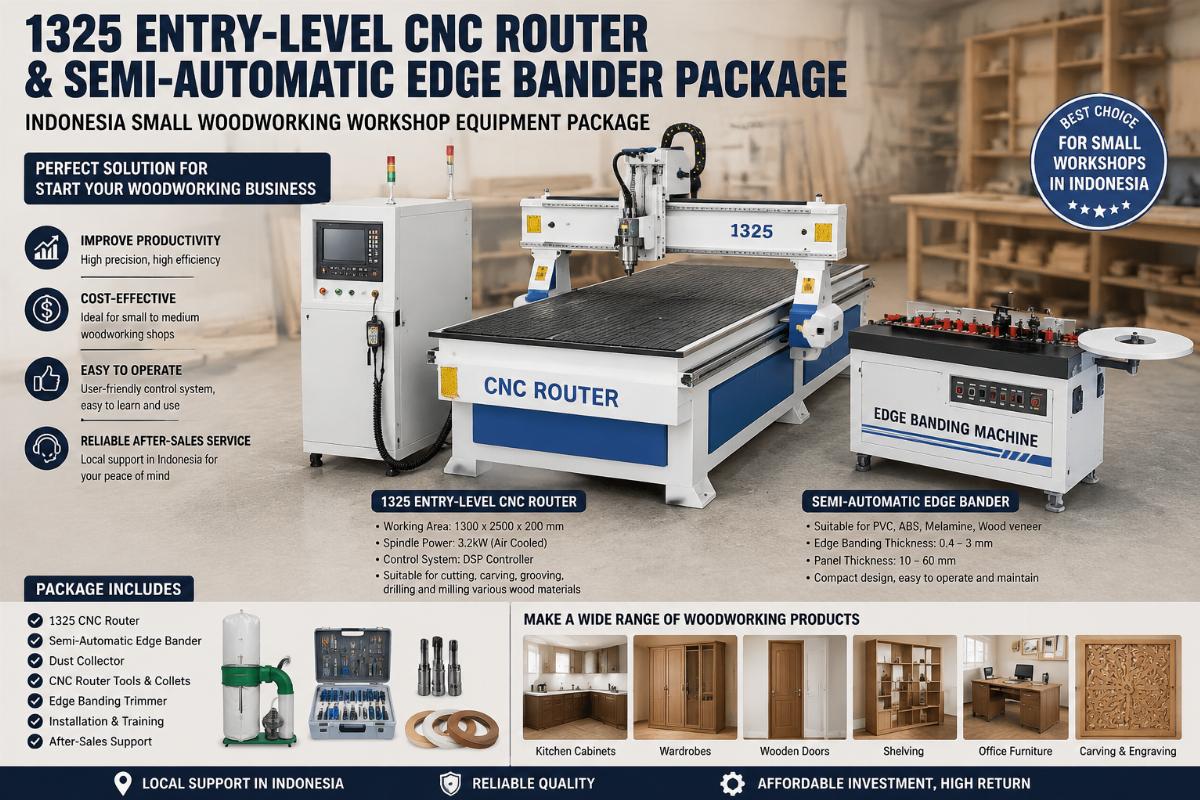
| Small Custom Workshops | Purchase full production lines intended for large factories | Opt for entry-level 1325 CNC router plus semi-automatic edge bander packages [NEED_CITE: Entry-level CNC router and semi-automatic edge bander packages from regular Chinese suppliers cost 45% less than local channel quotations in Southeast Asia] |
| Mid-sized Panel Furniture Factories | Stick with outdated semi-automatic equipment to save upfront cost | Invest in nested CNC machining centers with automatic loading and unloading capabilities |
| Regional Machinery Distributors | Order random mixed container loads without local market data | Prioritize exclusive regional agency agreements with defined gross profit margin terms |
A small custom furniture workshop in central Java that purchased a 1325 entry-level CNC router and semi-automatic edge bander package last year paid 45% less than the local machinery channel quote, and has already recovered their full equipment investment in 8 months from increased custom cabinet order volume. A Thai machinery distributor that signed an exclusive regional agency agreement with a Chinese manufacturer completed 3 full container orders in their first 6 months of partnership and secured a consistent 28% gross profit margin on all sales.
- Production Volume Calculation – Map your current and projected daily output for your core product line to narrow down required equipment speed and capacity.
- Budget Alignment – Allocate 70% of your equipment budget to core processing equipment and 30% to supporting tools and on-site installation services.
- Package Customization – Request configuration adjustments for working area, spindle type and control system to match your specific material and production requirements.
What common pits need to be avoided in the process of cross-border procurement of woodworking machinery?
Hidden extra charges and vague warranty terms are the two most common costly mistakes for cross-border buyers — 60% of regional buyers who report negative supplier experiences ran into at least one of these two issues, which can be completely avoided with clear pre-purchase checks.
| Common Procurement Pitfall | Cost Impact of Unaddressed Risk | Preventive Action |
|---|---|---|
| Hidden Installation and Training Fees | Adds 15-25% to total final procurement cost | Explicitly confirm that on-site installation and operator training are included at no extra cost |
| Vague Warranty Language | Leaves buyers with no support when equipment breaks down | Specify exact warranty periods, coverage scope and response time in written contract terms |
| Unverified Customization Limits | Leads to equipment that cannot accommodate your production needs | Confirm that single-unit orders support adjustments to core functional modules before placing orders |
I have seen a furniture factory outside Jakarta get quoted a $12,000 equipment package only to be charged an extra $3,800 for installation and technician dispatch after the goods arrived, a cost that could have been completely eliminated if the clause had been written into the original purchase contract.
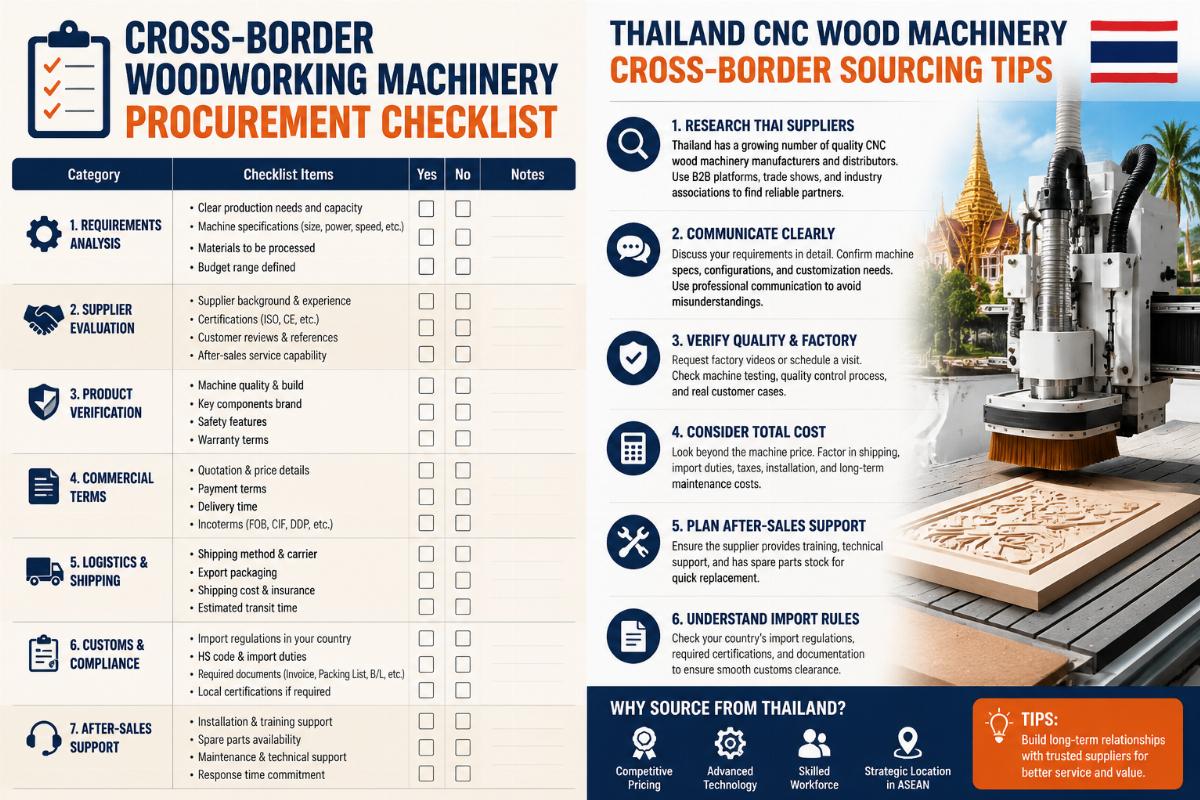
- Fee Transparency Check – Request a full, itemized breakdown of all costs including shipping, installation and training before accepting any formal quote.
- Warranty Term Clarification – Remove any generic "best effort" language from warranty clauses and replace it with concrete, time-bound support commitments.
- Customization Confirmation – Get written
