
Blog
The Difference Between Professional and Ordinary Woodworking Saws: An Expert Analysis

Introduction to Woodworking Saws
Woodworking saws are essential tools in the realm of carpentry and woodworking, serving as the foundation for various projects, ranging from simple repairs to elaborate constructions. These tools enable artisans to cut, shape, and assemble wood with precision, ensuring that the final product meets the required specifications and aesthetic qualities. Understanding the different types of woodworking saws available in the market is crucial for both amateur and professional woodworkers alike.
Generally, woodworking saws can be categorized into two main groups: hand saws and power saws. Hand saws include traditional types such as the panel saw, dovetail saw, and coping saw, which require manual operation and skilled technique. On the other hand, power saws—such as table saws, band saws, and circular saws—utilize electricity for enhanced efficiency and speed, accommodating larger and more complex projects. Each type offers distinct advantages and applications, influencing the choice of tool for specific woodworking tasks.
The significance of selecting the right saw cannot be overstated. For instance, professional woodworkers often rely on high-quality saws that deliver more consistent and accurate cuts compared to ordinary alternatives. This is particularly evident in projects that demand intricate designs and flawless nuances. The materials used in the construction of these saws, as well as their ergonomic designs, contribute to their overall effectiveness and longevity.
As the discussion unfolds, we will delve deeper into the key differences between professional-grade woodworking saws and their ordinary counterparts. Understanding these disparities will empower woodworkers to make informed decisions, enhancing their overall experience and success in the craft.
Understanding Professional Woodworking Saws
Professional woodworking saws are specifically engineered to meet the rigorous demands of those who work in the woodworking industry. Key attributes that define these tools include high-quality materials, precision engineering, durability, and ergonomic designs, all of which contribute to enhanced performance and user comfort.
One of the primary characteristics of professional woodworking saws is their construction. High-grade steel or carbide-tipped blades are commonly used, ensuring that the saw remains sharp and efficient over extended periods, thereby reducing the frequency of maintenance and blade replacements. This quality material also contributes to the saw’s resistance against wear and tear, making it an ideal choice for professionals who require reliability in a range of woodworking tasks.
Precision is another significant factor for professional woodworking saws. Many models are equipped with advanced features such as laser guides or adjustable cutting angles, allowing for accuracy in every cut. This level of precision is essential in a professional setting, where the margin for error is minimal and attention to detail is paramount. Additionally, brands like Festool, SawStop, and DeWalt have developed models that integrate technology to deliver flawless cuts consistently, showing that innovation is key in professional woodworking tools.
Durability cannot be overlooked when discussing professional woodworking saws. These tools are subjected to heavy use and, thus, must withstand significant wear without compromising their performance or safety. Robust construction ensures that professional saws perform effectively even under demanding conditions, making them an investment worth considering for serious woodworkers.
Finally, ergonomic design plays a crucial role in a professional woodworking saw’s usability. Comfortable handles and balanced construction allow for prolonged use without discomfort or fatigue, an important feature for professionals who spend countless hours on their projects. These attributes ultimately make professional woodworking saws a necessary choice for experts in the trade.
Key Features of Ordinary Woodworking Saws
Ordinary woodworking saws are typically designed for casual and home-use applications, differing significantly from professional counterparts. These saws are often constructed using basic materials, predominantly low-carbon steel or high-carbon steel, which provide adequate performance in less demanding tasks. Unlike professional saws, which are often made with advanced alloys or coatings to enhance durability and efficiency, ordinary saws prioritize cost-effectiveness and ease of use.
In terms of design, ordinary woodworking saws feature simple shapes and standard blade configurations. Common types include panel saws, coping saws, and hand saws, which showcase straightforward geometries that facilitate easy operation for users with varying skill levels. The dimensions of the blades are typically modest, as these saws are engineered for cutting softer woods or achieving basic joinery tasks.
Performance capabilities of ordinary woodworking saws are often limited when compared to professional options. For instance, the tooth geometry and quality of the blade can hinder precision and cutting speed, particularly on denser materials or intricate cuts. As a result, users may notice increased effort and time required for tasks that involve hardwoods or complex designs. However, for casual woodworking enthusiasts or DIY projects, these saws are suitable and can produce satisfactory results.
Common applications of ordinary woodworking saws encompass a variety of home improvement projects, crafting, and standard carpentry work. These saws cater to hobbyists who may engage in sporadic woodworking without the need for specialized equipment. They excel in situations where task demand is moderate and precision is not of utmost priority. Thus, understanding the key features of ordinary woodworking saws, including material composition, design elements, and performance capabilities, lays the foundation for a comprehensive comparison with more advanced professional saws.
Performance and Precision: A Comparative Analysis
The performance and precision of woodworking saws significantly influence the quality and efficiency of the woodworking process. In this comparative analysis, we assess both professional and ordinary woodworking saws across key metrics such as cutting speed, accuracy, and the ability to execute complex cuts.
Firstly, cutting speed is a paramount factor. Professional woodworking saws are engineered with advanced technology that enhances their ability to cut through various materials swiftly. These saws often feature high-quality blades made from premium materials, allowing them to maintain their sharpness longer and reduce cutting resistance. On the contrary, ordinary woodworking saws generally employ less sophisticated designs and materials, which may lead to slower cutting speeds and, ultimately, increased labor time.
Next, we consider accuracy, which is essential for achieving precise results in woodworking projects. Professional saws usually incorporate features such as laser guides and adjustable fences, which improve cut alignment and reduce the risk of human error. These features are particularly beneficial for intricate cuts that require high levels of precision. In contrast, ordinary saws may lack these enhancements, resulting in a higher likelihood of deviations from desired cuts, which could compromise the quality of the final product.
Furthermore, the ability to handle complex cuts is another critical aspect where professional woodworking saws excel. These tools are often designed with advanced features that allow for beveling, miter cuts, and intricate joinery. Such capabilities empower woodworkers to execute diverse projects that demand precision and versatility. Ordinary woodworking saws, however, are generally more limited in their cutting capabilities, making them less suitable for complex woodworking tasks.
In summary, the performance and precision of professional versus ordinary woodworking saws reveal marked differences that can significantly affect the outcome of woodworking endeavors. The investment in professional saws typically yields superior results in terms of speed, accuracy, and adaptability to complex projects.
Durability and Longevity
When considering the durability and longevity of woodworking saws, one must acknowledge critical differences between professional-grade and ordinary options. The longevity of any saw is primarily influenced by its construction materials and the intensity of its use. Professional woodworking saws are typically manufactured from high-quality materials, such as high-carbon steel or alloyed materials, which offer superior resistance to wear and tear. These materials not only withstand the rigors of frequent use but also maintain their sharpness for longer periods, minimizing the need for replacements or extensive maintenance.
In contrast, ordinary woodworking saws may employ lower-grade materials, which can compromise their performance over time. The usage intensity is another important factor; professional woodworkers often utilize their tools for extended hours daily, highlighting the need for tools that are designed for longevity under rigorous conditions. In such cases, a professional saw’s ability to endure constant cutting without losing precision becomes essential.
Both types of saws require maintenance to optimize their lifespan. Professional saws generally demand a more comprehensive care regimen, including regular sharpening and proper storage, to prevent rust and maintain blade integrity. Conversely, ordinary saws might necessitate less frequent care, yet neglecting basic maintenance practices can lead to diminished performance and shortened lifespan. Ultimately, choosing between professional and ordinary woodworking saws hinges not only on the desired functionality but also on how the user anticipates the tool will hold up under specific workloads, ensuring that they make an informed investment that aligns with their woodworking needs.
Cost-Benefit Analysis
When examining the market for woodworking saws, the first consideration often revolves around the cost associated with both professional and ordinary models. While ordinary woodworking saws typically come with a lower price tag, this initial saving can be misleading, as it does not account for the total cost of ownership over time. Professional woodworking saws, despite their higher upfront price, are engineered for longevity and enhanced performance, ultimately proving to be a more economical choice.
The key to a thorough cost-benefit analysis lies in understanding the durability and efficiency of each type of saw. Professional saws are constructed from superior materials that not only withstand rigorous use but also maintain their effectiveness longer than their ordinary counterparts. This durability mitigates the need for frequent replacements and repairs, leading to significant long-term savings. For woodworking professionals who rely on their tools daily, investing in a high-quality saw becomes a cost-effective decision.
Moreover, the efficiency of professional saws contributes to decreased operational costs. These saws often feature advanced designs that enhance cutting precision, resulting in reduced waste of materials. As a consequence, woodworkers can optimize their output, producing more finished products in less time. Therefore, while ordinary saws may appeal with lower prices, they often fall short in performance, requiring more frequent maintenance and possibly even leading to costly errors during projects.
Ultimately, a cost-benefit analysis reveals that the higher initial investment in professional woodworking saws can lead to substantial savings over time. By considering factors such as durability, efficiency, and the potential for increased productivity, woodworking professionals are likely to find that these expert tools provide value that far exceeds their purchase price.
User Experience and Ergonomics
When evaluating the differences between professional and ordinary woodworking saws, user experience and ergonomics emerge as critical factors influencing performance and productivity. Professional woodworking saws are generally designed with an emphasis on user comfort, which can significantly enhance functionality. These saws often feature handle designs that promote a natural gripping position, reducing strain on the user’s hands and wrists during operation. This ergonomic consideration not only ensures comfort during prolonged use but also minimizes the risk of injury, particularly in demanding woodworking tasks.
In contrast, ordinary woodworking saws tend to adhere to more basic designs that prioritize cost over user comfort. These saws may possess handles that lack appropriate curvature or padding, ultimately leading to discomfort and fatigue during extended periods of use. Consequently, users of ordinary saws may experience diminished productivity due to the physical strain imposed by the tool, particularly when tackling large projects or intricate cuts.
Another aspect where professional saws excel is in adjustable features that cater to a wider range of user preferences and working styles. Some professional models incorporate customizable settings that allow users to adjust the saw’s balance and weight distribution, accommodating various gripping techniques and hand sizes. This adaptability can significantly enhance efficiency, enabling craftsmen to operate their tools with greater precision and less physical effort.
Furthermore, the materials used in constructing professional woodworking saws often play a vital role in user experience. Higher-quality components contribute not only to longevity and durability but also to a more satisfying handling experience. For instance, premium saws generally have smoother cutting actions and require less effort to operate, again underscoring the importance of ergonomics in woodworking efficiency.
Common Use Cases for Each Type of Saw
Understanding the appropriate application of professional and ordinary woodworking saws is crucial for achieving the desired quality and efficiency in various projects. Ordinary saws, often referred to as basic or hobbyist saws, are typically suitable for smaller, simpler tasks. Common use cases for these saws include DIY furniture projects, household repairs, and craft activities where precision is not paramount. For instance, an ordinary hand saw can efficiently cut through softwoods for a simple bookshelf or a small garden project. These saws serve well for those engaging in woodworking on an informal basis, where cost and ease of handling are more critical than intricate details.
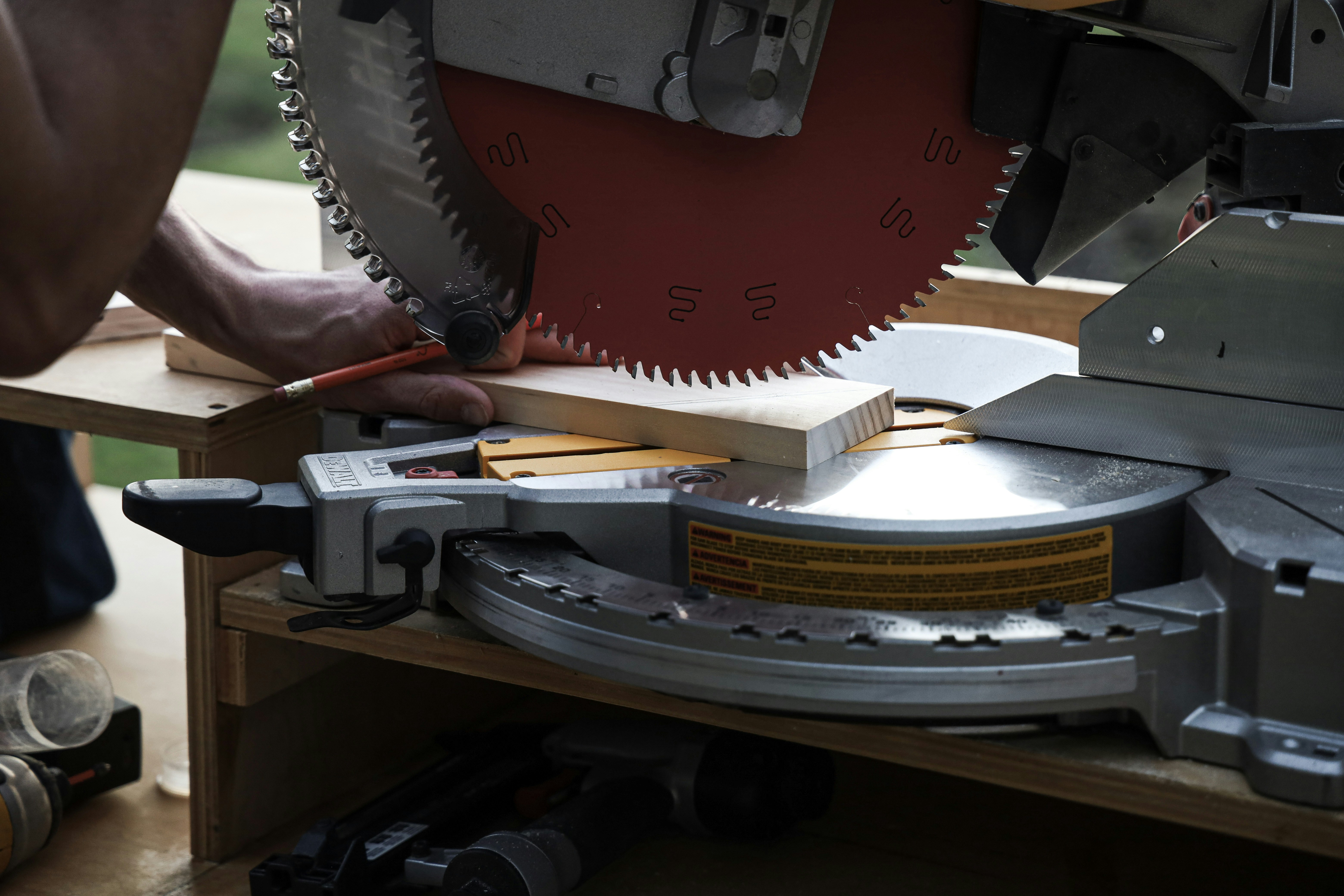
On the other hand, professional saws, including table saws, band saws, and miter saws, are engineered for advanced projects that require a higher level of precision, power, and repeatability. These saws are frequently utilized in professional workshops for crafting high-end furniture, cabinetry, or intricate joinery. For instance, a table saw allows for accurate longitudinal cuts, making it indispensable in production environments. Similarly, a miter saw provides precise angled cuts which are essential for framing and trim work. These professional tools are often utilized in larger-scale projects, where consistency and superior finish quality are non-negotiable.
Furthermore, the frequency of use also informs the choice of saw. Hobbyists may find that an ordinary saw meets their occasional needs, but regular professionals must rely on their equipment’s durability and performance. In conclusion, the selection of saw type hinges on the project’s scale, complexity, and the user’s level of expertise, with each saw playing a distinct role in the woodworking process.
Conclusion: Which Saw is Right for You?
In the realm of woodworking, the decision between utilizing a professional-grade saw and an ordinary woodworking saw is influenced by several factors including the complexity of projects, frequency of use, and the skill level of the woodworker. Throughout this analysis, we have discussed the notable distinctions between these two categories of saws, focusing on aspects such as durability, precision, ease of use, and cost-effectiveness.
Professional woodworking saws are designed for high volume tasks, where consistent and precise cuts are paramount. They typically offer enhanced durability, better cutting capabilities, and features tailored for advanced woodworking techniques. These saws are an excellent choice for seasoned professionals or serious hobbyists heavily involved in woodworking projects. If your aspirations lie in creating intricate designs or you regularly undertake large-scale woodworking jobs, investing in a professional-grade saw may be the most prudent choice.
Conversely, ordinary woodworking saws serve as fantastic tools for hobbyists or those embarking on smaller, less demanding projects. They are generally more affordable and easier to operate, making them ideal for individuals who may not require the advanced capabilities of professional saws. For occasional projects, a standard saw can provide adequate performance while helping to develop fundamental woodworking skills.
When determining which saw is appropriate, consider your woodworking goals, frequency of use, and budget. Always evaluate how the saw aligns with your individual needs—whether aesthetic craftsmanship or functional efficiency is a priority. In conclusion, the right saw for you hinges not only on your immediate requirements but also on how you envision your woodworking journey unfolding in the future.