
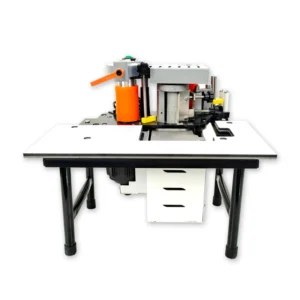
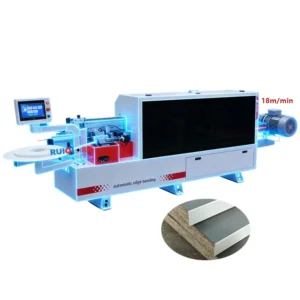
Edge banding machine
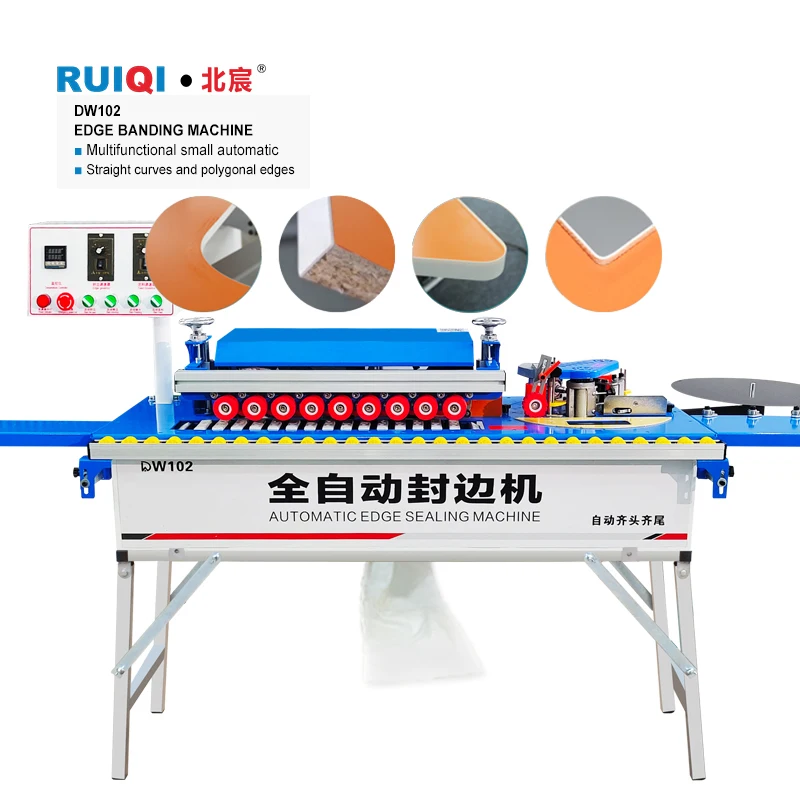
DW102 Edge Banding Machine for Plywood – Distributor Supply
<p><strong>DW102 Edge Banding Machine, 3800W, 220V/380V, Curved & Straight Edge</strong> — compact automatic bander handling 0.3–3mm edge thickness on plywood, MDF, and particleboard.</p> <ul> <li>Designed for distributors building a <strong>balanced model mix</strong> across territories with EU/USA/AU/UK plug options and multilingual control panels to match local operators</li> <li>Covers both curved and straight applications in one unit, reducing SKU complexity for regional stocking</li> <li>1000ml glue pot with vacuum hold and 0.5–0.8MPa air supply suits small-to-medium furniture workshops</li> </ul> <p>Backed by four-stage QC with pre-shipment verification, engineer-led configuration support, and OEM branding options for private-label resellers.</p>
Features
380V
Curved Edge Banding
DW102
DW102 Edge Banding Machine
Edge Banding Machine
Plywood Edge Banding
Wholesale Supply
Quality
Certified
Shipping
Worldwide
Support
24/7 Service
Delivery
Fast Lead Time
Voltage-verified dispatch — every DW102 edge banding machine ships with confirmed 50Hz/60Hz settings and market-specific plugs, eliminating the three-week transformer retrofits that stall regional distributor deployments.
Technical Specifications
| Parameter | Value |
|---|---|
| Model | DW102 |
| Product Type | Automatic Edge Banding Machine |
| Total Power | 3800W |
| Voltage Options | 220V / 380V / customization (50Hz/60Hz to be confirmed per market) |
| Edge Banding Mode | Curved and straight |
| Edge Trimming Power | 650W × 2 |
| Polishing Power | 180W × 2 |
| Vacuum Power | 1200W |
| Edge Power | 20W |
| Transmission Power | 60W |
| Glue Pot Capacity | 1000ml |
| Air Source Pressure | 0.5–0.8 MPa |
| Minimum Sheet Length | 25 cm |
| Minimum Sheet Width | 5 cm |
| Edge Banding Height | 0–50 mm |
| Edge Banding Thickness | 0.3–3 mm |
| Product Size | 128 × 47 × 69 cm |
| Product Weight | 75 kg |
| Plug Options | EU, USA, AU, UK |
| Control Panel Language | Chinese, English standard; Spanish and others customizable |
| Feed Speed | (basis to be confirmed) |
| Panel Thickness Range | (basis to be confirmed) |
| Tolerance | (basis to be confirmed) |
Application Suitability
| Application | Material or Output |
|---|---|
| Cabinet door edge finishing | MDF and particleboard with PVC or veneer banding |
| Plywood furniture panel edging | Plywood sheets with straight and curved profiles |
| Custom workshop short-run production | Solid wood panels and blockboard |
| Polymer door frame banding | Polymer substrates with 0.3–3 mm edge material |
| Medium-volume furniture manufacturing | MDF, plywood, and particleboard batch processing |
Why the Voltage Question Should Come Before the Price for Every Edge Banding Machine Distributor
Confirming local voltage and frequency before ordering prevents the most expensive commissioning delay a distributor can face.
I spent three weeks in a Colombian workshop watching a brand-new edge bander sit idle because the motor ran in reverse on local 220V/60Hz power. The heating element wattage was wrong, the transformer retrofit cost more than the shipping, and the end customer lost faith before the first panel was edged. For an edge banding machine distributor stocking inventory across multiple territories, this scenario repeats in different forms — wrong plug types, unreadable control panels, frequency mismatches that burn out motors within the first month. The DW102 ships with voltage and plug configuration locked to each destination market before it leaves the factory. [NEED_CITE: voltage and frequency standards by export market]
Territory Coverage Without Dead-on-Arrival Risk
A woodworking edge bander importer serving markets from Mexico to Chile encounters at least four different voltage standards and three plug types. The DW102 addresses this fragmentation with configurable 220V/380V input, selectable 50Hz or 60Hz operation, and EU, USA, AU, or UK plug fittings specified at order. The control panel language defaults to English but switches to Spanish or other regional languages, so the operator in Lima or Bogotá reads instructions without translation guesswork. This configuration discipline means a distributor stocks one machine platform and customizes the electrical package per destination.
Compact Footprint for Regional Warehouse and Demo Rotation
At 128 × 47 × 69 cm and 75 kg, this edge banding machine fits in a standard cargo van and moves through a workshop door without structural modification. For a distributor maintaining demo units, that portability matters — the same machine can rotate between trade shows, customer trials, and training sessions across a territory. The compact chassis does not sacrifice function: curved and straight edge banding, automatic head and tail cutting, trimming, and polishing all operate within the same frame. [NEED_CITE: typical workshop floor space constraints in Latin American furniture manufacturing]
What the Glue Pot, Trimming Stations, and Vacuum System Mean for Output Quality
The 1000ml glue pot holds enough adhesive for sustained runs without frequent refills, which matters when a distributor's customer is edging batch after batch of cabinet components. Dual 650W trimming motors cut excess banding from both faces simultaneously, producing a flush edge that requires minimal hand finishing downstream. The 1200W vacuum system secures the workpiece during feed, reducing panel drift that causes uneven glue lines on thinner substrates. Edge banding thickness from 0.3 to 3 mm covers the range from thin PVC veneer to thicker solid-wood strips, letting a distributor serve customers working across different material grades. The 0–50 mm banding height accommodates standard panel thicknesses encountered in furniture and cabinet production.
The Hidden Cost of Skipping Electrical Confirmation
When a distributor stocks machines without verifying voltage and frequency per territory, the consequences compound beyond the initial retrofit expense. Installation technicians spend days troubleshooting electrical faults instead of training operators. Warranty claims spike for motor and heating element failures that trace back to frequency mismatch rather than manufacturing defect. End customers lose confidence in the distributor brand and switch to competitors who confirmed specifications upfront. [NEED_CITE: CE machinery directive requirements for industrial equipment] The DW102 order process requires voltage, frequency, and plug confirmation before production begins, removing this failure mode from the supply chain.
Why Regional Distributors Source This Platform Here
In-house manufacturing with patented cutting mechanisms means the factory controls the tolerance chain from component grinding through final assembly — not outsourcing sub-assemblies to unknown vendors. The product range spans entry-level to full-function models within one family, so a distributor builds a tiered catalogue without managing multiple supplier relationships. Voltage, language, and plug customization are standard order parameters rather than special engineering requests. A four-stage quality process covering incoming material through pre-shipment verification catches electrical and mechanical faults before they reach the distributor's warehouse. Engineer-led configuration recommendations with formal quotation within 24 hours keep the stocking decision moving.
Documentation & Verification
- CE declaration of conformity matching the DW102 configuration shipped to your territory
- ISO 9001 certificate covering the production run of your specific order
- Electrical schematic confirming voltage, frequency, and plug type for your market
- Factory test record on your specified edge banding thickness and panel material
- Operation and maintenance manual in the agreed operator language
- Spare parts list with recommended wear-part quantities for regional stocking
Installation, Commissioning & Support
- Verify dedicated circuit capacity for 3800W total draw before positioning the machine
- Level the 128 × 47 × 69 cm frame on a flat concrete floor to prevent feed vibration
- Confirm 0.5–0.8 MPa air supply with clean, dry compressed air at the inlet
- Run initial glue pot heating cycle and verify temperature stability before first panel
- Calibrate trimming stations on sample panels matching your customer's actual material
- Stock spare polishing wheels and trimming blades from the provided parts list
Preparing Your Stocking Inquiry
Provide the target country or countries where you plan to distribute, along with the local voltage and frequency standard for each. Specify which plug type your market requires and the preferred control panel language for end-user operators. Indicate the panel materials and edge banding thicknesses most common among your customer base so the factory can set appropriate test parameters before shipment.
Frequently Asked Questions
Q: What model mix should a regional distributor stock to cover entry-level through mid-range edge banding demand? A: Start with the DW102 as the versatile mid-range platform covering both curved and straight edge work across common furniture materials. Pair it with a simpler entry-level unit for workshops just transitioning from manual methods. This two-model mix addresses most small-to-medium furniture shops in a regional market without over-stocking inventory.
Q: How are voltage, plug type, and control panel language confirmed for each target country? A: The order process requires a formal electrical confirmation sheet specifying voltage, frequency, plug type, and panel language for each destination market. This document is reviewed before production begins, ensuring each unit ships with the correct motor winding, heating element rating, and plug fitting for its intended territory.
Q: What spare part backup is recommended for a distributor maintaining local after-sales capability? A: The factory provides a spare parts list with wear items specific to the DW102, including trimming blades, polishing wheels, and glue system components. Regional distributors typically stock enough consumables to support their installed base between replenishment orders, with the factory supplying recommended quantities based on your customer count.
Q: What technical training is available for a distributor's own service and installation team? A: The factory offers training on trimming station adjustment, glue pot maintenance, vacuum system servicing, and electrical troubleshooting for the DW102 platform. This training equips your local technicians to handle commissioning, routine maintenance, and common field repairs without escalating every issue back to the manufacturer.
Q: What OEM or private-label options are available for distributors branding under their own name? A: The DW102 supports custom logo application, branded control panel interfaces, and private-label documentation. Distributors can present the machine under their own brand while the factory handles manufacturing, quality verification, and configuration to each target market's electrical and language requirements.
Request a Quote
Fill in the form below and our team will get back to you within 24 hours.
Related Products
View All
Edge banding machine