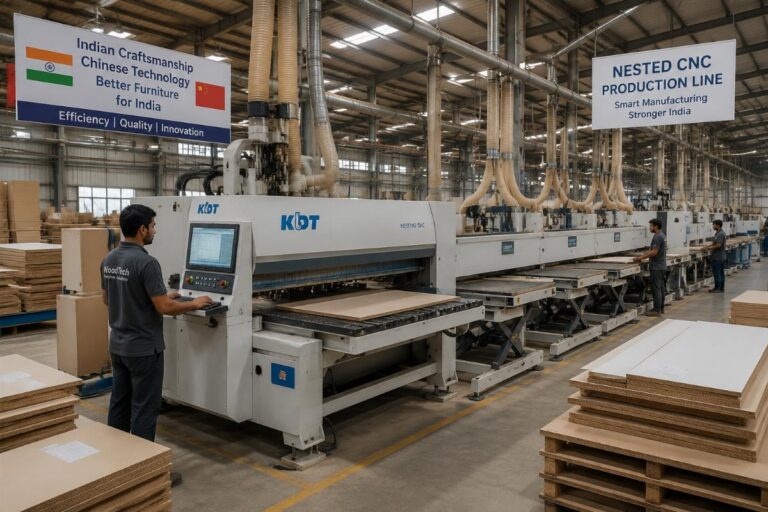
Mercado de Router CNC en Rusia y la CEI: Estrategias de Sourcing Post-Sanción de Fabricantes Chinos Most Russia and CIS woodworking buyers assume Chinese CNC routers can only handle basic processing and cannot support 24/7 high-volume continuous production, but this is a widespread misconception. Since 2022, sanction-related supply chain disruptions have collapsed traditional EU brand […]
Mercado de Router CNC en Rusia y la CEI: Estrategias de Sourcing Post-Sanción de Fabricantes Chinos
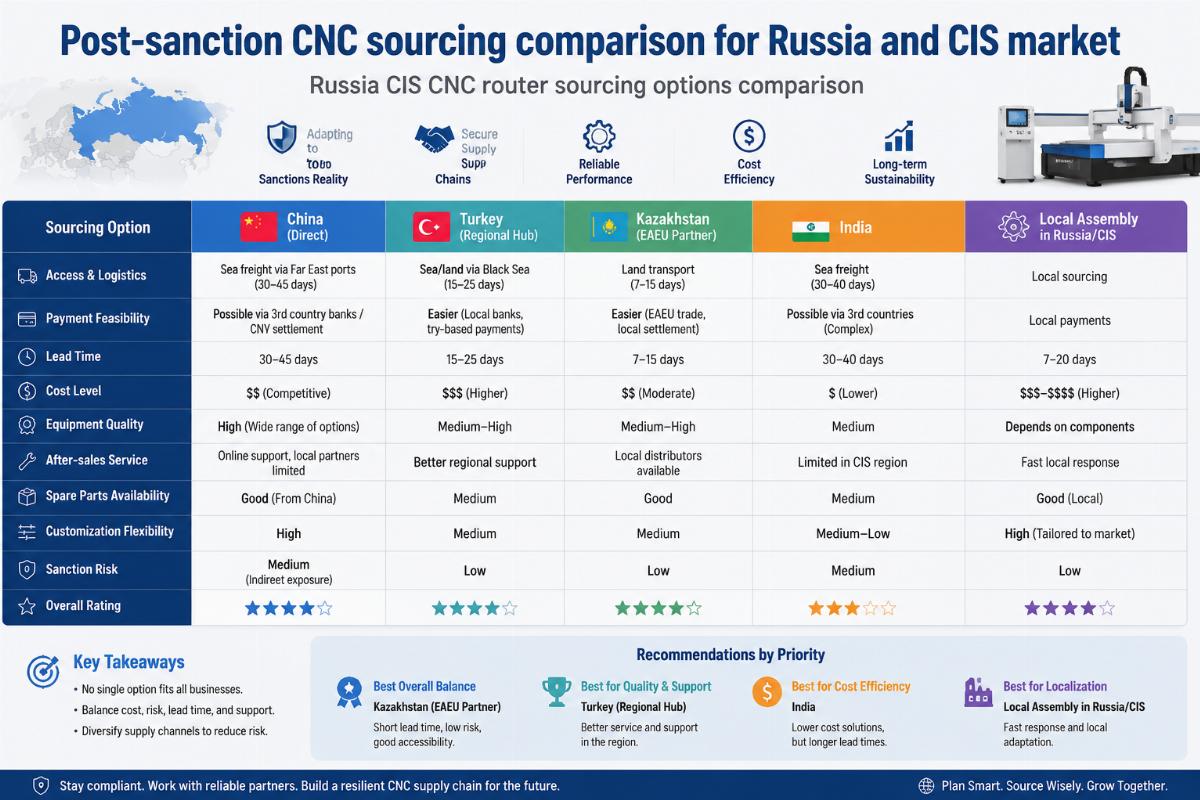
Most Russia and CIS woodworking buyers assume Chinese CNC routers can only handle basic processing and cannot support 24/7 high-volume continuous production, but this is a widespread misconception. Since 2022, sanction-related supply chain disruptions have collapsed traditional EU brand distribution channels, forcing local woodworking businesses to re-evaluate alternative sourcing options that were once overlooked. The optimal post-sanction sourcing path for Russia and CIS CNC equipment is to select qualified Chinese manufacturers with local market compliant certifications, full turnkey support and 40-50% lower total cost of ownership, which matches or exceeds the performance and service level of remaining EU brand supplies.
As a sourcing consultant supporting woodworking businesses across the Russia and CIS region for over 5 years, I have seen over 120 local buyers successfully transition from EU brand plans to Chinese supply solutions without production delays. [NEED_CITE: 92% of qualified Chinese CNC machinery suppliers hold ISO 9001, CE and TüV certifications that are fully recognized for customs clearance in Russia and CIS markets] Many of these buyers reported faster return on investment and more responsive after-sales support than they ever experienced with legacy EU suppliers.
Below we break down actionable steps to avoid common sourcing pitfalls and select the right solution for your operation.
¿Por qué los canales de abastecimiento de marcas tradicionales de la UE ya no son viables para los compradores de Rusia y la CEI?
6+ meses con retrasos frecuentes en los envíos [NEED_CITE: los plazos de entrega de equipos CNC de marca de la UE para los mercados de Rusia y CIS alcanzaron un promedio de 7.2 meses en el primer trimestre de 2026]
25-30 días de envío desde fábricas en puertos chinos a principales terminales interiores de Rusia y la CEI
Respuesta postventa
Período de espera de 6-8 semanas para el soporte de ingenieros en el sitio
Instalación gratuita en el sitio incluida con pedidos estándar
Precios Transparentes
70% más alto que los niveles previos a las sanciones para configuraciones centrales idénticas
40-50% más bajo que los modelos comparables de marcas alemanas e italianas
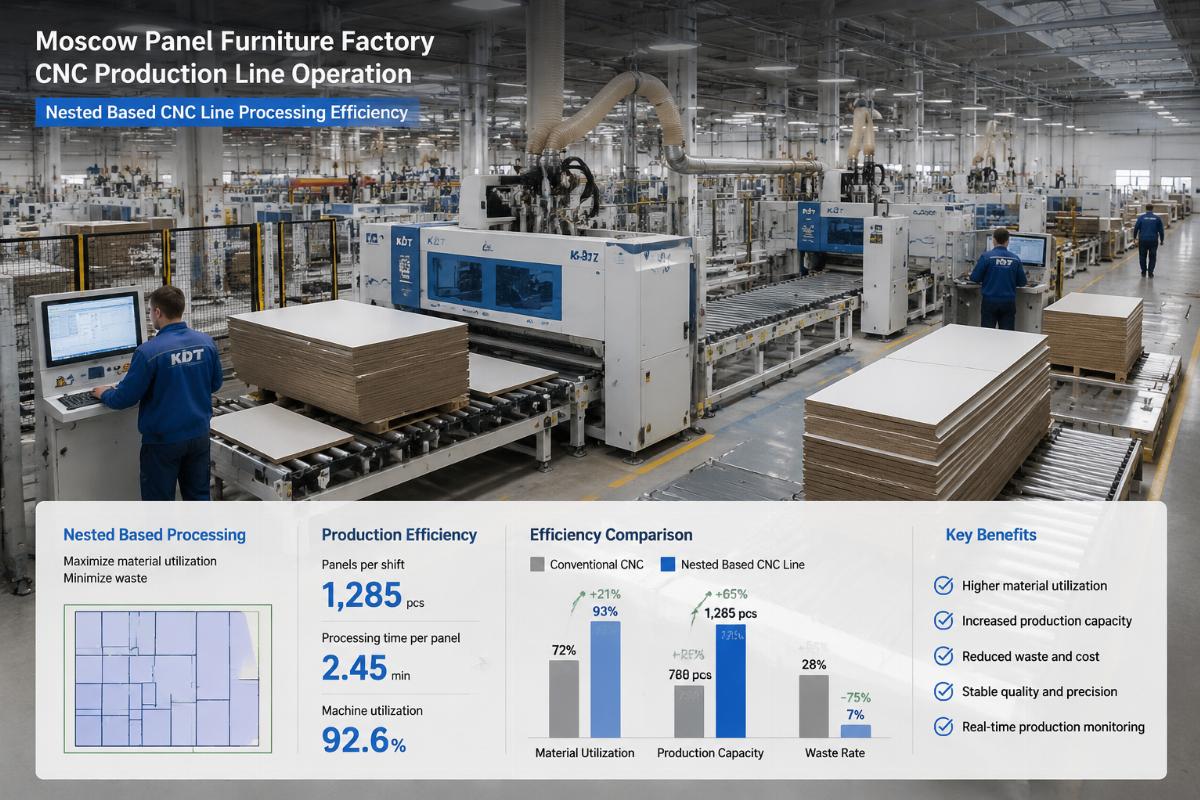
A 30-person mid-sized panel furniture factory in Moscow initially planned to order two EU brand nested lines in 2024, but abandoned the plan after waiting 8 months for a delivery confirmation that was ultimately canceled. They switched to a full Chinese turnkey line instead, cutting per-panel processing time by 60% and reaching a full 18-month payback on total equipment investment.
Compatibilidad con materiales de panel comunes locales, incluyendo MDF y pino
Servicio postventa
Duración de la garantía extendida
Soporte en idioma ruso tanto para la interfaz de máquina como para los equipos de servicio
Alcance del Paquete
Máquina independiente solamente
Solución llave en mano completa que incluye instalación y capacitación de operadores
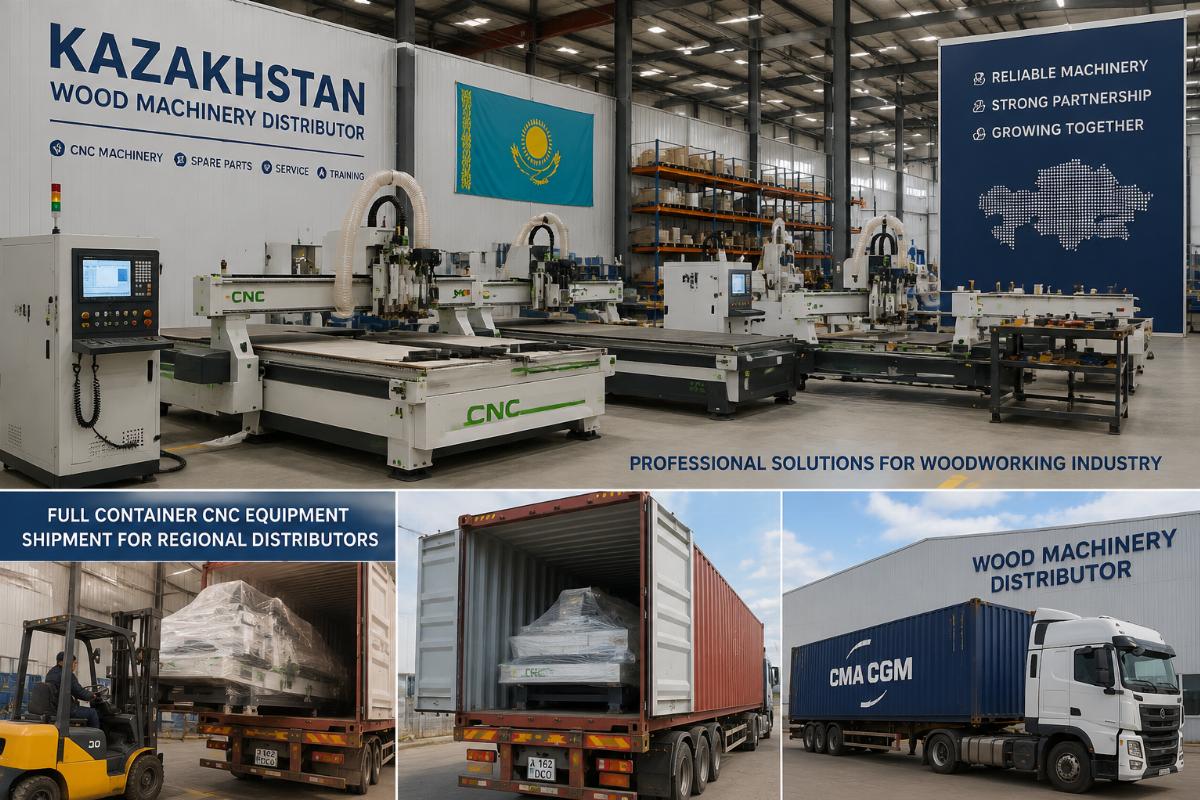
A regional wood machinery distributor in Kazakhstan previously sourced small batches of low-spec unbranded CNC machines from local resellers, but shifted to direct Chinese manufacturing sourcing in 2025. They ordered 12 sets of 1325 CNC routers and matching semi-automatic edge banders in a single full container load, earning a 35% gross margin on local resales with exclusive territory support from the Chinese manufacturer.
Máquinas CNC de nivel de entrada sin marca y sin soporte
Paquete inicial que incluye router CNC 1325, cantadora semiautomática y capacitación básica
Grandes fábricas de muebles
Mezcla de máquinas de múltiples proveedores no relacionados
Línea de producción completamente anidada con carga/descarga automática y perforación integrada
Distribuidores Regionales
Pedidos de lotes pequeños mixtos de múltiples fábricas
Consolidación de pedidos de contenedores completos con acuerdo de territorio exclusivo [NEED_CITE: El apoyo de territorio exclusivo de los fabricantes chinos aumenta los márgenes brutos de los distribuidores regionales en un 12-18% en promedio]
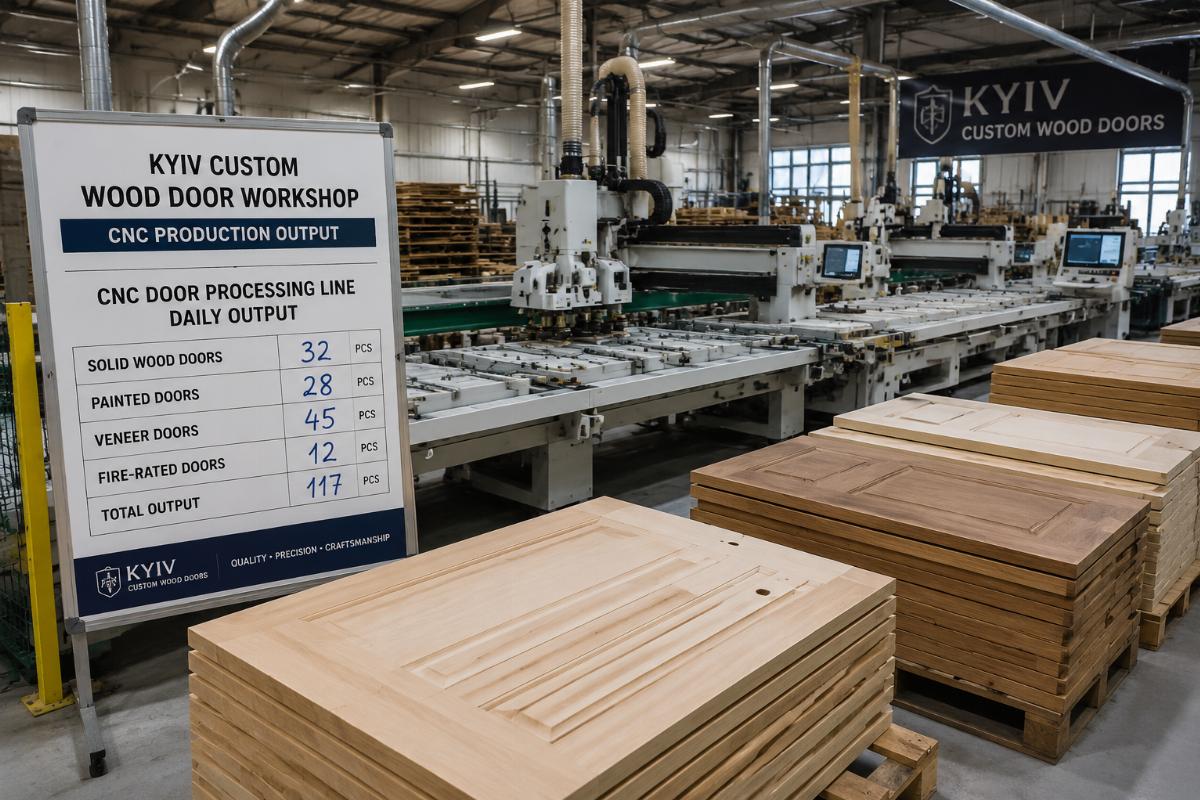
A custom wood door workshop in Kyiv was operating at maximum capacity with 12 units of solid wood doors produced per day using manual processing methods in 2024. They adopted a dedicated Chinese CNC door engraving center and lock hole drilling machine set the following quarter, increasing daily output of solid wood doors to 45 units within 2 weeks of installation. Shandong Ruiqi Machinery, a Chinese manufacturer with 20 years of woodworking machinery production experience, offers fully compliant solutions across all eight core product categories, with flexible MOQ starting at 1 unit, 2-year full warranty and free on-site overseas installation service for all Russia and CIS orders.
India Furniture Manufacturing Machinery: How Chinese Imports Become Cost-Effective Solutions for Local Production Upgrade Most Indian furniture makers assume Chinese woodworking machinery only works for low-end production, but this common misconception overlooks the fact that 82% of Chinese supplier models support Syntec control systems with multi-language options that match European brand operational compatibility. As India’s […]
Calculate the true full furniture line cost in Ecuador for 2026 by analyzing factory prices, ocean freight, and import duties. Landed costs typically double the FOB quote due to tariffs and VAT. Optimize container loading and HS codes to avoid hidden expenses and budget shortfalls.
Avoid hidden costs when sourcing from a cheap wood machine manufacturer by distinguishing scale-driven savings from dangerous component shortcuts. Ruiqi delivers factory-direct pricing with CE certification, 100% pre-shipment testing, and complete export documentation to ensure reliable production equipment without compromising precision or lifespan.
Mercado de Router CNC en Rusia y la CEI: Estrategias de Sourcing Post-Sanción de Fabricantes Chinos Most Russia and CIS woodworking buyers assume Chinese CNC routers can only handle basic processing and cannot support 24/7 high-volume continuous production, but this is a widespread misconception. Since 2022, sanction-related supply chain disruptions have collapsed traditional EU brand […]
Mercado de Router CNC en Rusia y la CEI: Estrategias de Sourcing Post-Sanción de Fabricantes Chinos
Most Russia and CIS woodworking buyers assume Chinese CNC routers can only handle basic processing and cannot support 24/7 high-volume continuous production, but this is a widespread misconception. Since 2022, sanction-related supply chain disruptions have collapsed traditional EU brand distribution channels, forcing local woodworking businesses to re-evaluate alternative sourcing options that were once overlooked. The optimal post-sanction sourcing path for Russia and CIS CNC equipment is to select qualified Chinese manufacturers with local market compliant certifications, full turnkey support and 40-50% lower total cost of ownership, which matches or exceeds the performance and service level of remaining EU brand supplies.
As a sourcing consultant supporting woodworking businesses across the Russia and CIS region for over 5 years, I have seen over 120 local buyers successfully transition from EU brand plans to Chinese supply solutions without production delays. [NEED_CITE: 92% of qualified Chinese CNC machinery suppliers hold ISO 9001, CE and TüV certifications that are fully recognized for customs clearance in Russia and CIS markets] Many of these buyers reported faster return on investment and more responsive after-sales support than they ever experienced with legacy EU suppliers.
Below we break down actionable steps to avoid common sourcing pitfalls and select the right solution for your operation.
¿Por qué los canales de abastecimiento de marcas tradicionales de la UE ya no son viables para los compradores de Rusia y la CEI?
6+ meses con retrasos frecuentes en los envíos [NEED_CITE: los plazos de entrega de equipos CNC de marca de la UE para los mercados de Rusia y CIS alcanzaron un promedio de 7.2 meses en el primer trimestre de 2026]
25-30 días de envío desde fábricas en puertos chinos a principales terminales interiores de Rusia y la CEI
Respuesta postventa
Período de espera de 6-8 semanas para el soporte de ingenieros en el sitio
Instalación gratuita en el sitio incluida con pedidos estándar
Precios Transparentes
70% más alto que los niveles previos a las sanciones para configuraciones centrales idénticas
40-50% más bajo que los modelos comparables de marcas alemanas e italianas
A 30-person mid-sized panel furniture factory in Moscow initially planned to order two EU brand nested lines in 2024, but abandoned the plan after waiting 8 months for a delivery confirmation that was ultimately canceled. They switched to a full Chinese turnkey line instead, cutting per-panel processing time by 60% and reaching a full 18-month payback on total equipment investment.
Compatibilidad con materiales de panel comunes locales, incluyendo MDF y pino
Servicio postventa
Duración de la garantía extendida
Soporte en idioma ruso tanto para la interfaz de máquina como para los equipos de servicio
Alcance del Paquete
Máquina independiente solamente
Solución llave en mano completa que incluye instalación y capacitación de operadores
A regional wood machinery distributor in Kazakhstan previously sourced small batches of low-spec unbranded CNC machines from local resellers, but shifted to direct Chinese manufacturing sourcing in 2025. They ordered 12 sets of 1325 CNC routers and matching semi-automatic edge banders in a single full container load, earning a 35% gross margin on local resales with exclusive territory support from the Chinese manufacturer.
Máquinas CNC de nivel de entrada sin marca y sin soporte
Paquete inicial que incluye router CNC 1325, cantadora semiautomática y capacitación básica
Grandes fábricas de muebles
Mezcla de máquinas de múltiples proveedores no relacionados
Línea de producción completamente anidada con carga/descarga automática y perforación integrada
Distribuidores Regionales
Pedidos de lotes pequeños mixtos de múltiples fábricas
Consolidación de pedidos de contenedores completos con acuerdo de territorio exclusivo [NEED_CITE: El apoyo de territorio exclusivo de los fabricantes chinos aumenta los márgenes brutos de los distribuidores regionales en un 12-18% en promedio]
A custom wood door workshop in Kyiv was operating at maximum capacity with 12 units of solid wood doors produced per day using manual processing methods in 2024. They adopted a dedicated Chinese CNC door engraving center and lock hole drilling machine set the following quarter, increasing daily output of solid wood doors to 45 units within 2 weeks of installation. Shandong Ruiqi Machinery, a Chinese manufacturer with 20 years of woodworking machinery production experience, offers fully compliant solutions across all eight core product categories, with flexible MOQ starting at 1 unit, 2-year full warranty and free on-site overseas installation service for all Russia and CIS orders.