
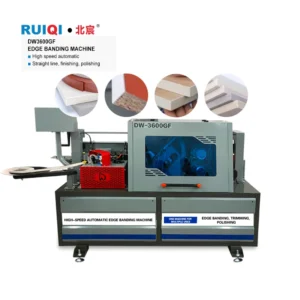
Edge banding machine
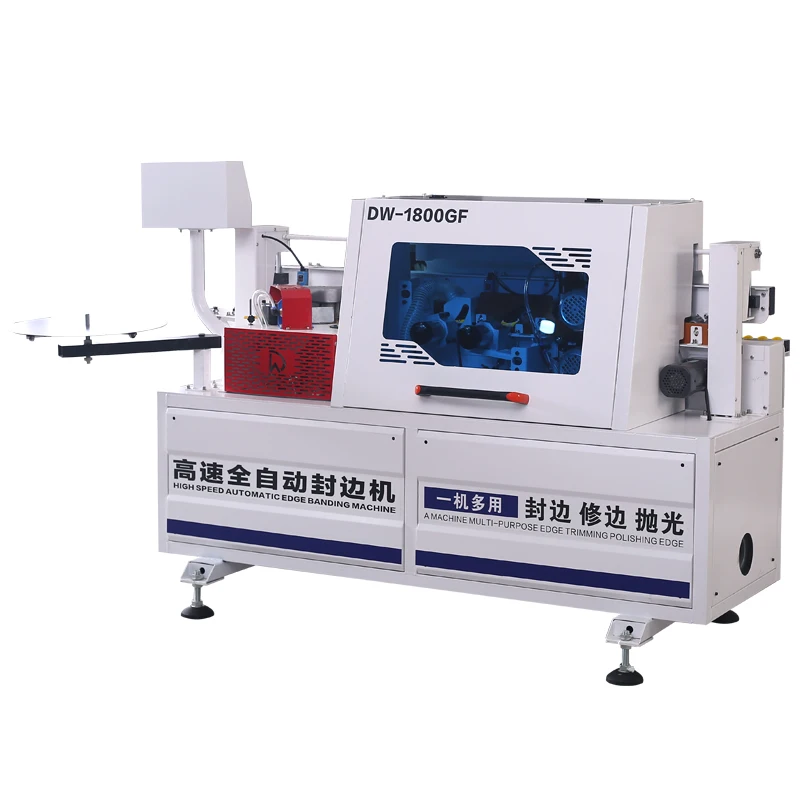
Automatic Edge Banding Machine for MDF Panel – Distributor Supply
<p><strong>DW1800 Automatic Edge Banding Machine, 4.9KW, 0.3-3mm Edge Thickness, 0-14M/min Feed Speed</strong> — integrated double-sided gluing, top/bottom trimming and polishing for MDF, particleboard and plywood panels.</p> <ul> <li>Multi-voltage support (380V/220V/415V) with regional plug standards and customisable control panel language for local market readiness</li> <li>Mid-range configuration ideal for distributors building a balanced model mix across entry-level and full-function banding machines</li> <li>Compact 220×65×125cm footprint suits workshops transitioning from manual to semi-automated edge finishing</li> </ul> <p>Supported by four-stage QC with pre-shipment verification and territory-specific electrical documentation, ensuring compliance and fast commissioning for your regional customers.</p>
Features
380V
Automatic Edge Banding
DW1800
Edge Banding Machine
MDF Panel
Plywood
Wholesale Supply
Quality
Certified
Shipping
Worldwide
Support
24/7 Service
Delivery
Fast Lead Time
Voltage-verified configuration — every DW1800 unit is matched to destination frequency, plug standard and panel language before the crate is sealed.
Technical Specifications
| Parameter | Value |
|---|---|
| Model | DW1800 |
| Product Type | Automatic Edge Banding Machine |
| Total Power | 4.9 kW |
| Voltage Options | 380V / 220V / 415V (50Hz/60Hz basis to be confirmed) |
| Edge Banding Height | 0–50 mm |
| Edge Banding Thickness | 0.3–3 mm |
| Minimum Sheet Length | 200 mm |
| Minimum Sheet Width | 100 mm |
| Feed Speed | 0–14 m/min (source value — verify) |
| Trimming Spindle Speed | 24,000 r/min (800 W × 2) |
| Polishing Power | 380 W × 2 |
| Glue Pot Capacity | 4,000 ml |
| Air Source Pressure | 0.4–0.6 MPa |
| Overall Dimensions (L×W×H) | 220 × 65 × 125 cm |
| Net Weight | 320 kg |
| Key Features | Double-sided gluing, top/bottom trimming, top/bottom polishing, front/rear alignment, flexible edge scraping, dust suction |
Application Suitability
| Application | Material or Output |
|---|---|
| Custom cabinet panel finishing | MDF and particleboard with PVC edge banding |
| Plywood furniture component edging | Plywood panels with melamine or veneer strips |
| Small-batch joinery production | Solid wood and wood-structure panels of similar hardness |
| Retail fixture and shelving fabrication | ABB boards and organic glass plates with thin banding |
Why Voltage and Frequency Must Be Settled Before the Proforma Invoice
A machine wired for the wrong grid is dead weight on the dock. I spent three weeks last year chasing transformers and rewiring a fully automatic edge bander after it arrived in the Gulf on a 50 Hz supply that the motor was never rated for. That single oversight cost the importer a container opening, delayed commissioning and damaged trust that took months to rebuild [NEED_CITE: voltage and frequency standards by export market]. When an edge banding machine distributor sources equipment for a regional market, confirming the exact voltage, frequency, plug type and control panel language before production is not a detail — it is the contract.
Territory Coverage and Model Mix Planning
A regional importer needs more than one machine; they need a catalogue that covers the workshop sizes in their territory. The DW1800 sits in the mid-range automatic segment, filling the gap between entry-level manual feeders and full-function pre-milling lines. For an edge banding machine distributor building inventory, this model handles the mainstream MDF and plywood workload that most small-to-medium furniture factories run daily, keeping stock turnover predictable.
Spare Part Backup and Service Team Readiness
Distributors lose credibility when a simple trimmer bearing or polishing wheel takes weeks to source locally. The DW1800 uses standardised trimming motors rated at 800 W and polishing units at 380 W, components that are straightforward to stock in regional warehouses. Pairing the machine with a documented spare parts list means your service team can plan inventory around actual wear items rather than guessing which consumables will move first [NEED_CITE: typical wear parts in automatic edge banding operations].
Reading the Specs That Actually Affect Your Customers
The trimming spindles run at 24,000 r/min, which determines the surface finish on the banding edge after the cut. Slower speeds leave visible chatter marks on PVC, while this range produces a clean edge that needs only light polishing. The glue pot holds 4,000 ml, enough for a sustained production run without frequent refills that interrupt feed consistency. Edge banding thickness coverage from 0.3 to 3 mm means a single machine handles both thin melamine strips and thicker solid wood veneer, reducing the number of models an edge banding machine distributor must keep in stock. The minimum sheet dimension of 200 × 100 mm allows small drawer components and cabinet offcuts to be processed without manual clamping workarounds. Air pressure at 0.4–0.6 MPa is standard shop-floor compressor territory, so no dedicated high-pressure line is needed.
What Happens When the Model Mix Misses the Market
Stocking only entry-level machines means your customers outgrow them within a year and look elsewhere for the next step up. Carrying only heavy pre-milling lines ties up capital in equipment that most small workshops in your territory will never justify. The cost of a wrong model mix is not visible on a balance sheet — it shows up as lost repeat orders and a reputation for not understanding the local market [NEED_CITE: distributor inventory planning for woodworking machinery].
Why Source This Edge Bander Through Us
Every DW1800 leaves the floor with a factory test record photographed against the buyer's specified panel thickness and banding material. Voltage, plug standard and control language are locked on the electrical schematic before production starts, not assumed from a catalogue default. The machine ships with an operation and maintenance manual in the agreed language, so your end-user's operator is not reading translated guesses. Four-stage quality verification covers incoming components, in-process assembly, finished product function and pre-shipment electrical safety, which means fewer surprises when the container is opened.
Documentation & Verification
- CE declaration of conformity matched to the DW1800 electrical schematic
- Factory test record photographed with your specified panel material and banding type
- Electrical schematic confirming destination voltage, frequency and plug standard
- Operation manual in the agreed operator language with illustrated spare parts list
- ISO 9001 certificate copy for customs and end-user compliance filing
Installation, Commissioning & Support
- Requires a level concrete floor supporting 320 kg across the 220 × 65 cm footprint
- Dedicated circuit matching confirmed voltage (380V/220V/415V) with correct frequency
- Ships fully assembled — position, connect compressed air at 0.4–0.6 MPa and power on
- First-run calibration of trimming spindles at 24,000 r/min and glue pot temperature set to banding material
- Operator training on control panel in chosen language covering feed speed adjustment and daily cleaning
- Spare parts list identifies trimmer cutters, polishing wheels and scraper blades for local stocking
Preparing Your Enquiry
Tell us the destination country and local voltage standard so we can lock the electrical configuration before quoting. Share the panel materials and banding types your customers most commonly run so we can configure the glue pot and feed settings accordingly. If you are planning a multi-model inventory, outline the workshop sizes you serve so we can recommend where the DW1800 fits alongside entry-level and pre-milling options.
Frequently Asked Questions
Q: What territory support and exclusivity terms are available for regional distributors? A: Territory arrangements are discussed once we understand your market coverage, service capacity and target model mix. We do not publish blanket exclusivity terms because each region has different demand density and after-sales infrastructure. Share your current customer base and service team size, and we will outline what level of territory commitment makes sense for both sides.
Q: How is the recommended model mix determined for a given regional market? A: We look at the workshop sizes, panel materials and production volumes common in your territory. The DW1800 covers the mid-range MDF and plywood segment, but your market may also need entry-level units for startup joineries or pre-milling machines for high-volume panel plants. The mix is based on actual demand signals, not on clearing warehouse stock.
Q: What spare part backup and technical training is provided for the distributor's service team? A: Each shipment includes a spare parts list identifying wear items specific to the DW1800, such as trimming cutters and polishing wheels. Technical training covers electrical diagnostics, feed mechanism adjustment and glue system maintenance. We can arrange sessions at the factory or via remote walkthrough, depending on what your service team needs to support local end-users.
Q: Can the DW1800 be private-labelled with the distributor's own branding? A: Yes. Custom logo application, branded control panel splash screens and documentation bearing your company identity are available for qualifying orders. The underlying machine specifications, warranty terms and spare parts compatibility remain unchanged regardless of the branding applied. Confirm your artwork files and placement preferences during the quotation stage.
Q: How are voltage, plug type and panel language confirmed before production to avoid arrival issues? A: Before the proforma invoice is issued, we require written confirmation of destination voltage, frequency, plug standard and preferred control panel language. These are recorded on the electrical schematic and reviewed during the pre-shipment inspection. No unit is crated until the documented configuration matches the destination requirements exactly.
Request a Quote
Fill in the form below and our team will get back to you within 24 hours.
Related Products
View All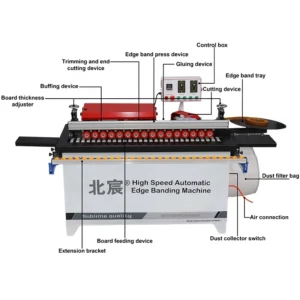
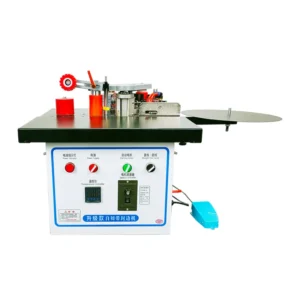
Edge banding machine